
Subtotal ¥0.00
Ultimate guide to hospital wristband color codes AHA and NHS standards meanings for allergy fall risk DNR and safer patient identification
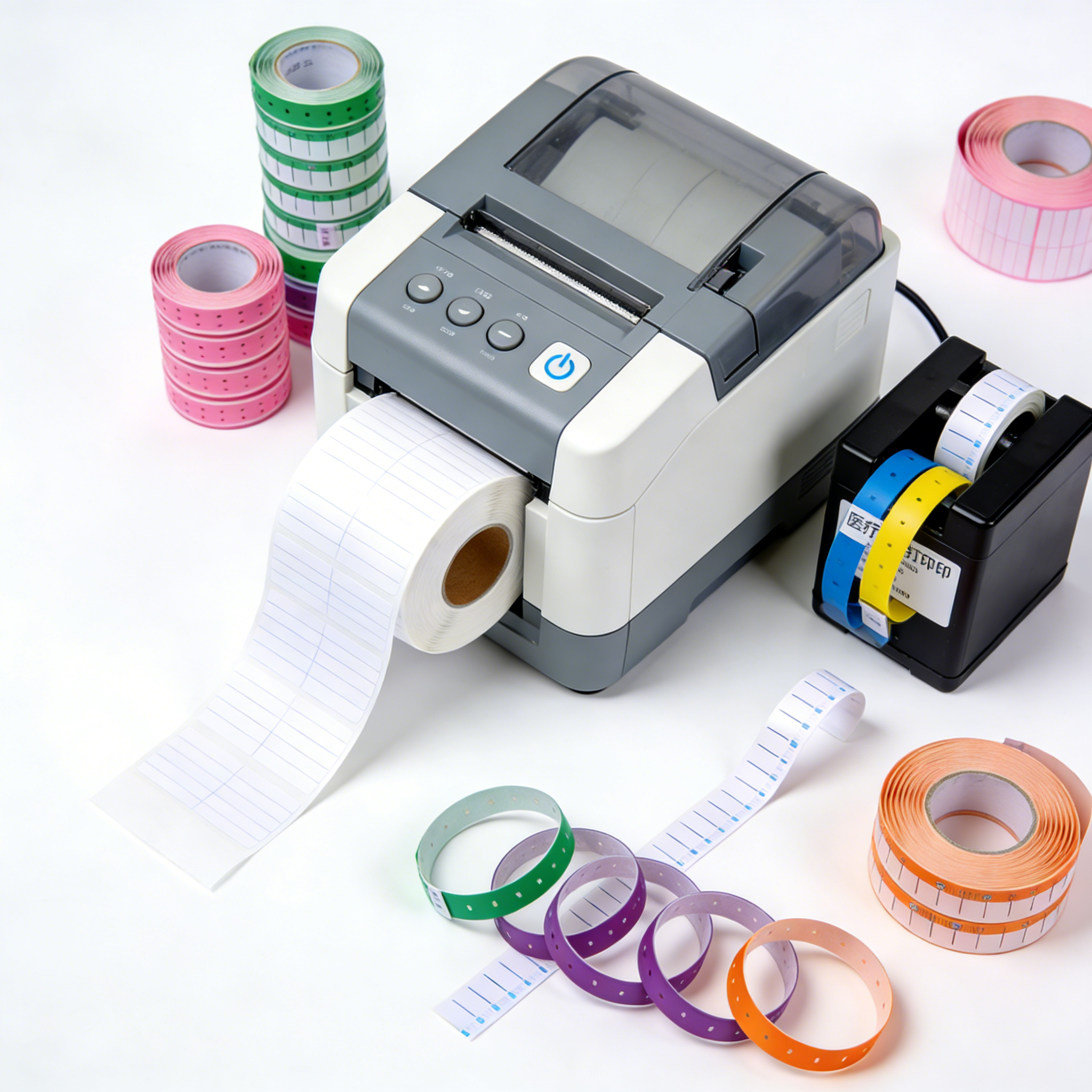
You might think a simple plastic band is just an administrative tool…
But in a critical emergency, misinterpreting Hospital Wristband Color Codes can lead to devastating medical errors.
Are you confident you know the exact difference between AHA and NHS protocols?
As a safety-focused partner in healthcare, I know that clarity saves lives. That’s why I’ve put together this definitive resource to eliminate the guesswork.
We aren’t just listing colors; we are breaking down the AHA standardized alert wristbands used in the U.S. and contrasting them with the strict NHS patient identity bands standards from the U.K.
From the universal Red wristband allergy alert to the critical distinctions regarding the Purple wristband DNR and Yellow wristband fall risk, you’ll get a complete, side-by-side comparison to prevent cross-system confusion.
If you are looking to enhance patient safety and ensure total compliance in your facility, this guide is for you.
Let’s dive in.
Why Hospital Wristband Color Codes Exist
Have you ever worried that a simple miscommunication could lead to a critical medical error? We certainly have. In the high-stakes environment of healthcare, a split-second misunderstanding can change a patient’s outcome. That is exactly why hospital wristband colors meaning specific alerts were developed—to act as a universal language when words fail.
The History of Patient Safety and Standardization
Historically, patient safety was compromised by a lack of consistency. One facility might use a yellow band for a “Do Not Resuscitate” order, while a hospital down the street used yellow for “Fall Risk.” This inconsistency created dangerous confusion, especially for staff working across multiple locations. The push for hospital alert bands standardization was born out of a necessity to eliminate these “near misses” and ensure that a transfer between facilities didn’t result in a loss of critical safety data.
How Visual Alerts Reduce Verbal Miscommunication
In an emergency, there isn’t always time to read a thick medical chart. Color coded patient safety wristbands bridge that gap by providing immediate visual cues.
- Instant Recognition: Staff can identify risks like allergies or fall hazards from across the room.
- Overcoming Barriers: Colors transcend language barriers, ensuring safety even if the patient and provider do not speak the same language.
- Silent Advocacy: When a patient is unconscious or intubated, the wristband speaks for them.
The “Alert Only” Rule: Why Verification is Mandatory
While these bands are vital, I always emphasize the “Alert Only” rule. A wristband is a warning signal, not a diagnosis. It serves as a prompt to stop and verify.
- Check the Chart: Always cross-reference the visual alert with the patient’s official medical records.
- No Assumptions: A red band signals an allergy, but the chart tells you which specific medication to avoid.
- Update Protocols: If a condition changes, the band must be removed or replaced immediately to maintain trust in the system.
We view these bands as the first line of defense in a multi-layered safety strategy, ensuring that standardized alerts actually save lives rather than just decorating wrists.
AHA Standards: The U.S. Approach to Alert Wristbands
In the United States, consistency is the name of the game when it comes to patient safety. Before 2008, hospitals often used random colors for different alerts, creating a dangerous environment where a nurse might mistake a “Do Not Resuscitate” band for an allergy band simply because they transferred from a different facility. To eliminate this confusion, the American Hospital Association (AHA) released a Quality Advisory encouraging the adoption of AHA standardized alert wristbands. This push for hospital alert bands standardization ensures that visual cues remain universal, reducing the cognitive load on healthcare workers during high-stress situations.
Red Means Stop: The Allergy Alert Wristband
Just like a traffic light, red means stop. The red wristband allergy alert is the most critical visual signal for preventing severe reactions. When a patient wears this band, it serves as an immediate warning to every staff member interacting with them. The allergy red wristband meaning is comprehensive—it covers drug allergies, food intolerances, and reactions to environmental factors like latex or adhesive tape.
However, the band itself does not list the specific allergens; it simply acts as a “hard stop” for the clinician. We rely on strict protocols whenever this color is visible:
- Medication Checks: Nurses must stop and verify the patient’s chart against the medication list before dispensing any pills or starting an IV.
- Dietary Safety: Food service staff must cross-check meal trays to ensure no prohibited ingredients are served.
- Treatment Verification: Before any procedure, from X-rays to surgeries, the team must confirm that no contrast dyes or materials will trigger a reaction.
Yellow Means Caution: The Fall Risk Wristband
In the hierarchy of AHA standardized alert wristbands, the color yellow serves as a universal signal for “Caution.” Specifically, this band identifies a patient as a fall risk. Unlike an allergy, which requires a specific substance to trigger a reaction, a fall can happen at any moment if a vulnerable patient attempts to move unassisted.
We use the yellow wristband fall risk indicator to alert all staff—from nurses to housekeeping—that the person wearing it requires extra monitoring and mobility assistance. This visual cue is vital for patients who are:
- Elderly or frail with limited muscle strength.
- Experiencing dizziness, confusion, or disorientation.
- Heavily medicated or recovering from anesthesia.
- Suffering from balance disorders or vision impairment.
When a staff member spots a fall risk yellow band hospital alert, the protocol is strictly preventive. It implies that the patient should never walk alone. We ensure that assistance is always provided for bathroom breaks or transfers, and often, these patients are placed closer to the nursing station for better visibility. This simple, high-visibility tool is one of the most effective ways we reduce preventable injuries in a busy ward.
Purple Means Dignity: The Do Not Resuscitate (DNR) Wristband
The purple wristband DNR do not resuscitate alert is perhaps the most sensitive signal in the entire hospital wristband colors meaning spectrum. Unlike red or yellow bands which trigger specific actions, the purple band commands a pause. It signifies a legal medical order to withhold cardiopulmonary resuscitation (CPR) should the patient’s heart or breathing stop.
We use purple because it symbolizes dignity and respect for the patient’s final wishes. In the high-stress environment of a “Code Blue,” where seconds count, this visual cue acts as an immediate safeguard against unwanted medical intervention.
FDA Guidance and End-of-Life Care Clarity
Regulatory bodies and safety organizations, including the FDA, emphasize that clarity in end-of-life care is non-negotiable. There is zero room for ambiguity when a patient has opted for a natural death.
To ensure patient safety and compliance, we adhere to strict protocols regarding the Do not resuscitate purple band:
- Avoid “Code Blue” Confusion: We never use blue wristbands for DNR alerts. Since “Code Blue” is the universal call for a resuscitation emergency, a blue band could send mixed signals to a response team.
- Verification is Mandatory: While the band provides an immediate visual alert, staff must always verify the DNR order in the patient’s medical chart.
- Clear Lettering: The text “DNR” or “Do Not Resuscitate” must be printed in large, bold font on the wristband to ensure it is readable even in dim lighting.
By standardizing this color, we protect the patient’s right to choose and ensure healthcare providers can honor those decisions instantly and accurately.
Beyond the Big Three: Additional U.S. Wristband Colors
While Red, Yellow, and Purple get the most attention due to the AHA standardization, we deal with other hospital wristband colors meaning specific precautions every day. These additional bands are critical for preventing procedural errors and ensuring staff know exactly how to handle a patient’s physical needs without needing to stop and read a chart every single time.
Pink for Restricted Extremity
The pink wristband is a massive signal for clinical staff. It stands for “Restricted Extremity.” We use this to identify a limb that is swollen, has a dialysis shunt/fistula, or is recovering from surgery like a mastectomy.
When I see a pink band, it is an immediate “Stop” sign for that specific arm. It means:
- No Blood Pressure Cuffs: The pressure can damage fragile veins or shunts.
- No IV Insertions: We cannot compromise the circulation in that limb.
- No Blood Draws: Venipuncture is strictly off-limits.
This visual cue protects the patient from long-term damage like lymphedema.
Green for Latex Allergy
While the red wristband allergy alert covers most drug and food interactions, some facilities utilize a green wristband specifically for latex allergies. Latex is ubiquitous in medical settings—from gloves to catheter tubing—so a distinct visual alert helps staff grab non-latex equipment immediately.
Note: This color is less standardized than the others. While green is common for latex, some hospitals might use it for other alerts. This highlights the importance of medical wristband color confusion prevention by always cross-referencing with the patient’s chart.
The Standard White Band for Basic Patient Identification
Underneath all the colored alert bands sits the most important tool in the hospital: the white identity band. Regardless of how many color coded patient safety wristbands a patient is wearing, the white band is the source of truth.
This band contains the core data required for the “Five Rights” of medication administration:
- Patient Name
- Date of Birth
- Medical Record Number (MRN)
- Barcode for Scanning
In my experience, no matter what the colored bands say, we never bypass scanning the white patient identification wristband colors. It is the foundation of patient safety.
NHS Standards: The U.K. Approach to Patient Identity
When we look at how the National Health Service (NHS) operates, the philosophy shifts from the multi-color alert system used in the U.S. to a model focused heavily on strict identification. I’ve observed that the NHS patient identity bands standards prioritize getting the “Who” right above all else. The logic is simple: if you positively identify the patient every single time, you can access their specific care plan and risk notes without relying on a rainbow of potential color interpretations.
The White Identity Band: Core Requirements
The standard default in U.K. hospitals is the White identity band NHS black text format. This focus on high contrast ensures that patient details are legible under any lighting condition. We don’t mess around with handwriting that can be misread; the goal is standardized, printed data whenever possible.
According to NPSA (National Patient Safety Agency) guidelines, every band must feature:
- Last Name and First Name: Clearly printed to avoid phonetic confusion.
- Date of Birth (DOB): The primary secondary identifier.
- NHS Number: A unique, lifelong identifier that links the patient to their specific medical history.
The Red Band: Signaling Known Risks
The NHS system is binary compared to the AHA model. You generally have a white band for standard ID or a Red wristband allergy alert for patients with known risks.
In this system, the red band doesn’t just mean “allergy”; it signals “Risk.” If a patient has a drug allergy, a latex sensitivity, or another critical risk factor, the white band is replaced by a red one. Crucially, this red band must still contain all the core identification data (Name, DOB, NHS Number). It serves as a visual “Stop and Check” warning, compelling the nurse or doctor to verify the patient’s notes before administering any medication or treatment.
Risk Assessment and Supplementary Bands in the NHS
The NHS operates on a strict principle: identification is paramount. While comprehensive risk assessments are routine upon admission, we do not want to overload a patient’s wrist with a rainbow of plastic. Adding too many bands increases the risk of trapping bacteria and makes scanning the barcode difficult, which defeats the purpose of the primary ID.
Rules for Adding Bands Without Obscuring Identity
When a risk assessment indicates the need for a visual alert—typically a red band for allergies—strict NHS patient identity bands standards apply. The golden rule is that a supplementary band must never physically overlap or hide the primary white identity band.
- Visibility First: The patient’s Name, DOB, and NHS Number must be readable at a glance without having to rotate or move other bands.
- Minimalism: Only essential alerts warrant a full secondary band. If the risk is minor or temporary, we avoid adding extra plastic.
- Placement: If a second band is necessary, it should be secured on the same limb but spaced slightly apart to prevent “bunching” and ensure skin integrity.
Using Distinct Sleeves and Clips
To avoid the clutter of multiple full-sized wristbands, many UK trusts utilize colored sleeves, snaps, or clips that attach directly to the main identity band. This is a smart solution for specific alerts that keeps the wrist area clean.
- Limb Restrictions: Instead of a full pink band, a colored sleeve or tag might indicate “No BP/Needles” on a specific arm to protect a fistula or mastectomy site.
- Oxygen Saturation Targets: Specific clips can alert staff to target saturation ranges (e.g., 88-92% for respiratory patients) without needing a separate medical wristband.
This approach maintains strict hospital alert bands standardization while ensuring the patient’s identity remains the clear, unobstructed focal point for all medical staff.
Head-to-Head: AHA vs. NHS Wristband Color Codes
When we supply hospitals globally, we see two distinct philosophies in action. While both the American Hospital Association (AHA) and the National Health Service (NHS) aim for zero errors, they take very different paths to get there. Understanding these differences AHA vs NHS wristbands is critical for facility managers and healthcare providers operating in an international context.
Side-by-Side: Multi-Color Alert vs. Minimalist ID
The core difference lies in how much information is conveyed through color alone. The U.S. system relies on a “rainbow” of AHA standardized alert wristbands to give immediate visual cues, whereas the U.K. system prioritizes strict text-based identification to avoid confusion.
Here is how the two heavyweights compare:
- AHA (USA): Utilizes a color coded patient safety wristbands system. We see specific colors assigned to specific conditions (Red, Yellow, Purple, Pink, Green). The goal is instant recognition from across the room.
- NHS (UK): Adopts a “Minimalist ID” philosophy. The primary focus is the White identity band NHS black text. Colored bands are kept to a minimum—usually just Red for generic alerts—forcing staff to read the wristband and check the chart rather than relying on a color glance.
The Philosophy: Visual Speed vs. Data Accuracy
The AHA approach bets on speed. In a high-pressure ER, seeing a Red wristband allergy alert immediately tells a nurse to stop and double-check medications. However, the NHS argues that hospital alert bands standardization based on too many colors can lead to “alert fatigue” or errors if a staff member forgets a color code.
The NHS standard suggests that if you rely on color, you might stop reading the patient’s name. By limiting the colors, they force a hard stop where the clinician must verify the patient identification wristband colors and read the printed details.
Critical Differences in Risk Signaling
The divergence is most dangerous when looking at Fall Risk and DNR statuses. If you are a travel nurse or managing a facility with international staff, these distinctions prevent life-threatening errors.
- Fall Risk:
- AHA: Uses a Fall risk yellow band hospital standard. If a patient is wearing yellow, they need assistance walking.
- NHS: Does not typically use a standardized yellow band. Fall risks are noted in the patient notes or on the single Red alert band. Relying on a yellow visual cue in a UK facility could mean missing a high-risk patient.
- DNR (Do Not Resuscitate):
- AHA: The Purple wristband DNR do not resuscitate is a clear signal to withhold CPR.
- NHS: Generally avoids wearing a DNR status on the wrist. This information is kept strictly in the medical notes to preserve patient dignity and prevent public misinterpretation.
We always advise our clients to choose the system that aligns with their local regulatory body, but understanding this “Head-to-Head” comparison ensures you aren’t applying a U.S. solution to a U.K. problem.
Navigating Cross-Border Challenges in Healthcare
In today’s globalized medical field, staff mobility is at an all-time high. I see travel nurses and international specialists moving between countries constantly, and while medical knowledge is universal, hospital protocols are not. This creates a genuine risk when it comes to hospital wristband colors meaning. A nurse accustomed to the AHA standardized alert wristbands in the United States might instinctively look for a yellow band to identify a fall risk. However, if they transfer to a facility operating under NHS patient identity bands standards, that visual cue might be missing entirely or replaced by a specific “risk” text on a red band.
Potential Confusion for Travel Nurses and International Staff
The danger lies in assumption. When staff rely on color coding as a shortcut rather than reading the specific text, errors occur. This is what we call medical wristband color confusion prevention—it is about breaking the habit of assuming a color means the same thing everywhere.
- The “Rainbow” vs. “Minimalist” Clash: Staff moving from the U.S. are used to a multi-color system (Purple for DNR, Pink for Limb Alert). Moving to the U.K., where the focus is primarily on the white ID band and the red risk band, can feel like losing a safety net.
- False Security: Seeing a patient without a purple band might lead a U.S.-trained nurse to assume full resuscitation is required, whereas, in a different system, the DNR status might be noted differently.
Universal Signals: Where the AHA and NHS Standards Overlap
Despite the differences, there are commonalities that act as a safety baseline for international staff. Recognizing these overlaps helps maintain safety while adjusting to new protocols:
- Red Means Stop: Across both the AHA and NHS systems, the color red is universally recognized as a warning. While the AHA specifies it for allergies, and the NHS uses it for allergies and other risks, seeing a red band always means “Check the chart before proceeding.”
- White for Identity: The use of a white band with black text is the global gold standard for patient identification wristband colors. It is the one constant that ensures we know exactly who we are treating, regardless of the country.
- Text Over Color: The ultimate universal rule is that color is just an alert; the text on the band is the authority.
Practical Tips for Safer Wristband Implementation
Implementing a standardized wristband system is about more than just buying colored plastic; it’s about integrating safety into the daily workflow. Whether your facility aligns with AHA standardized alert wristbands or NHS protocols, the goal is zero errors. Here is how we ensure these visual cues actually work in a busy hospital environment.
Overcoming Color Blindness with Text
Relying solely on color is a significant risk. With a percentage of the population experiencing color blindness, a red band might look brown or grey to some staff members. To handle medical wristband color confusion prevention, we strictly adhere to the “Text + Color” rule.
- Pre-printed Text: A red band must explicitly say ALLERGY in large, bold font.
- High Contrast: Use black text on colored backgrounds to ensure readability in dim lighting.
- Dual-Coding: This ensures that even if the color fails to register, the written warning serves as the ultimate fail-safe.
Best Practices for Placement and Durability
A wristband is useless if it falls off during a shower or becomes unreadable after a day. We prioritize durability to ensure the hospital wristband colors meaning remains clear throughout the patient’s stay.
- Material Selection: Use synthetic, moisture-resistant materials. Paper bands degrade too quickly for inpatient care.
- Scanability: Ensure the barcode area is flat and not crinkled. Curved barcodes are difficult for scanners to read, leading to frustrated staff bypassing safety checks.
- Consistent Placement: Apply the ID band to the patient’s dominant side (or facility standard) consistently. This builds muscle memory for nurses checking identity.
Staff Training: Ensuring Everyone Knows the Code
You can stock the correct color coded patient safety wristbands, but they fail if the team doesn’t understand the local dialect. This is especially critical when employing travel nurses or international staff who might be used to different standards.
- Visual Aids: Post color-code charts at every nursing station and admission desk.
- Onboarding: Make wristband protocols a mandatory part of new hire orientation.
- Regular Drills: Periodically test staff on less common alerts, like the purple wristband DNR do not resuscitate signal, to ensure hesitation doesn’t occur during a crisis.
Choosing the Right Wristbands for Your Facility
Selecting the correct patient identification wristband colors and materials is more than a procurement decision; it is a critical component of your patient safety strategy. When sourcing these bands, you cannot compromise on quality, as a faded barcode or an uncomfortable strap can disrupt clinical workflows and distress patients.
Balancing Compliance, Comfort, and Scanability
To prevent medical wristband color confusion prevention and ensure seamless operations, you must balance three core elements:
- Strict Compliance: Whether you follow AHA standardized alert wristbands or NHS patient identity bands standards, the colors must match the exact industry shades (e.g., specific Pantone matches for Purple or Red) to avoid ambiguity.
- Patient Comfort: Wristbands are often worn for days. Materials must be soft, non-abrasive, and hypoallergenic to prevent skin breakdown, especially for elderly or pediatric patients.
- Scanability and Durability: A wristband is useless if the barcode fails. You need thermal imaging surfaces that resist water, soap, and sanitizer, ensuring the patient’s ID remains scannable from admission to discharge.
Why LinkWin Supports High-Visibility Solutions
At LinkWin, we understand that a wristband is the primary link between a patient and their medical record. We provide hospitals with high-visibility, compliant solutions designed to withstand the rigors of a hospital environment.
Our focus is on clarity and reliability. We ensure that the hospital wristband colors meaning is instantly recognizable by staff, reducing the cognitive load during emergencies. By using advanced thermal printing technology and durable materials, our bands ensure that vital alerts—like Fall Risk or Allergy—remain vibrant and legible, protecting both your patients and your facility’s liability.
Frequently Asked Questions About Hospital Wristbands
Navigating the nuances of hospital wristband colors meaning and protocols can be tricky for both patients and new staff. Here are the answers to the most common questions regarding safety standards and patient rights.
What does a pink hospital wristband mean in most U.S. hospitals?
In the United States, a pink wristband specifically signals a Restricted Extremity. This is a critical alert that tells healthcare providers, “Do not use this arm.” It is primarily used for patients who have had a mastectomy (to prevent lymphedema) or those with an arteriovenous fistula for dialysis. The band prevents staff from placing blood pressure cuffs, drawing blood, or inserting IVs into that specific limb, protecting the patient from potential injury or complications.
Are wristband color codes legally mandatory in all states?
Not strictly. While the AHA standardized alert wristbands are the industry gold standard, they are not federal law in every jurisdiction. However, roughly half of U.S. states have voluntarily adopted these standards as mandatory practice. Even in states where it isn’t law, the vast majority of hospitals implement these hospital alert bands standardization protocols to meet accreditation requirements from The Joint Commission. It is less about legality and more about universal safety and medical wristband color confusion prevention.
How do hospitals handle patients with multiple alert risks?
It is very common for a single patient to require multiple alerts, such as a red wristband allergy alert, a yellow wristband fall risk, and a purple wristband DNR do not resuscitate order simultaneously. In these scenarios, we typically apply multiple bands to the same wrist. While this can look cluttered, it ensures every risk is visible. Staff are trained to check all bands during patient identification, ensuring that a fall risk doesn’t overshadow a critical drug allergy.
Can patients refuse to wear color-coded safety bands?
Yes, patients have the right to refuse to wear color coded patient safety wristbands. We cannot force a patient to wear a band if they find it uncomfortable or stigmatizing. When this happens, the medical team must document the refusal in the patient’s medical record. We then rely on alternative alert methods, such as placing distinct stickers on the front of the medical chart or writing large, clear notes on the patient’s room whiteboard to communicate risks like allergies or fall hazards to the staff.
