
Subtotal ¥0.00
LinkWin emergency patient identification solutions improve ED triage accuracy with PPID RFID tracking EHR integration and durable trauma wristbands
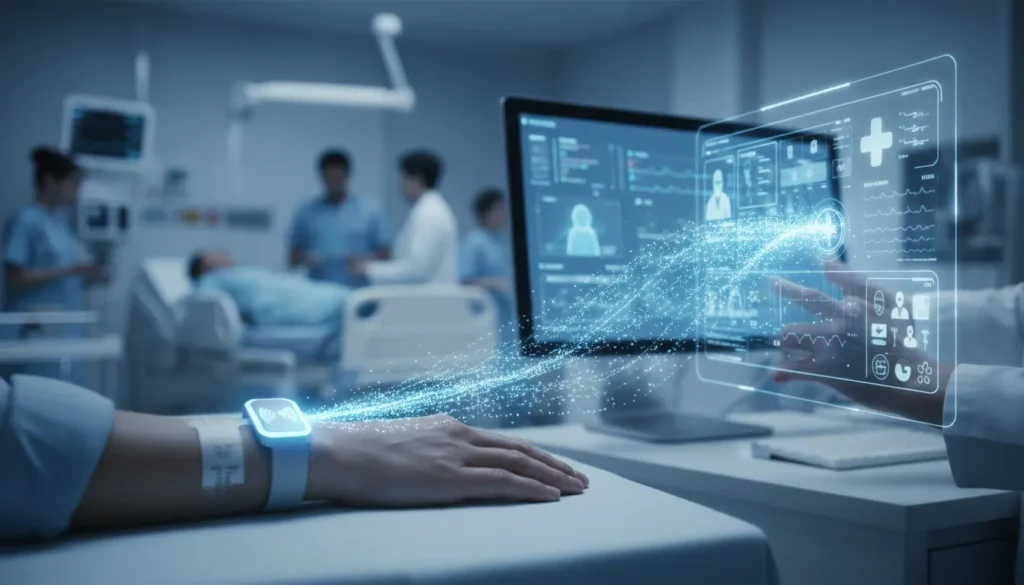
The Anatomy of a Robust Identification Solution
In the chaos of the Emergency Department, a wristband is never just a piece of plastic—it is the lifeline connecting a patient to their medical reality. Effective Emergency Patient Identification Solutions rely on a synchronized ecosystem where hardware durability meets software intelligence. We don’t just sell printers; we engineer workflows that prevent identity errors from the moment a patient enters triage.
Physical Identifiers and Hardware Essentials
The physical layer of identification is the first line of defense against medical errors. In our experience, standard office supplies simply cannot survive the ED environment. We focus on the “Iron Triangle” of hardware: Trauma Wristband Printers, high-grade media, and rapid scanning devices.
Trauma Wristbands: Durability Requirements
When a trauma patient arrives, their wristband faces water, blood, alcohol, and constant friction. A faded barcode is a safety hazard. Our solutions prioritize:
- Chemical Resistance: Withstands sanitizers and bodily fluids without smudging.
- Thermal Stability: Remains scannable even after exposure to varying temperatures.
- Comfort & Security: Soft enough to prevent skin breakdown, yet tamper-evident to ensure Positive Patient Identification (PPID).
Barcode, QR, and RFID Technologies
Modern identification goes beyond simple linear barcodes. We integrate advanced data carriers to support Barcode Medication Administration (BCMA) and Real-Time Location Systems (RTLS).
| Feature | Barcode / QR Code | RFID Tags |
|---|---|---|
| Primary Use | Medication verification, Lab labeling | Patient tracking, Elopement prevention |
| Line of Sight | Required for scanning | Not required (reads through blankets) |
| Data Capacity | High (QR), Low (1D Barcode) | High (Dynamic data updates) |
| Cost | Low | Moderate |
RFID Patient Tracking Systems are becoming essential for monitoring patient flow and preventing bottlenecks, allowing staff to locate patients instantly without physical searches.
Digital Integration and Software Backbones
Hardware is useless without a brain. The core of our system lies in seamless EHR Integration. The identification solution must act as a bridge, not an island.
ADT Feeds and EHR Synchronization
We ensure that ADT System Interoperability is real-time. As soon as a patient is registered—even as a “John Doe”—the Admission, Discharge, and Transfer (ADT) feed must trigger the printer immediately. This synchronization eliminates manual data entry errors, ensuring that the physical ID matches the digital record perfectly.
Mobile Printing Stations at the Bedside
Walking back to a central nursing station to retrieve a wristband introduces a critical window for error. We advocate for Point-of-Care Printing Solutions.
- Immediate Tagging: Print and apply wristbands within seconds of triage.
- Specimen Labeling: Generate lab labels at the bedside to ensure the sample matches the patient instantly.
- Mobility: LinkWin’s mobile cart solutions bring the technology to the patient, reducing fatigue and increasing compliance with National Patient Safety Goals (NPSG).
Specialized Scenarios: Triage and Mass Casualty
In the Emergency Department (ED), standard admission workflows often collapse under pressure. When volume spikes or a patient arrives unconscious, we cannot rely on manual data entry. Specialized Emergency Patient Identification Solutions are designed to handle these high-stress environments where speed is the only metric that matters.
Disaster Preparedness for Mass Casualty Incidents (MCI)
When a disaster strikes, the influx of patients is immediate and overwhelming. There is no time to type names into an EHR. We rely on Mass Casualty Incident (MCI) Tagging to maintain order in the chaos.
Effective disaster preparedness involves:
- Pre-printed Triage Tags: utilizing color-coded bands (Red, Yellow, Green, Black) compatible with Emergency Department Triage Protocols.
- Rapid Barcoding: Each tag features a pre-assigned barcode that creates a “shell” record in the system instantly.
- Offline Capability: Ensuring identification continues even if hospital networks go down during the crisis.
The Temporary ID Protocol for John Doe Patients
Handling unidentified patients is one of the biggest risks in emergency medicine. If a patient arrives unconscious without ID, we immediately initiate John Doe Patient Registration. This protocol creates a temporary, unique identity to ensure treatment isn’t delayed while waiting for police or family verification.
Our approach focuses on safety and data integrity:
- Auto-Generated Aliases: The system assigns a unique nomenclature (e.g., Trauma-Male-01) to prevent duplicate records.
- Immediate Wristbanding: A Trauma Wristband is applied instantly to link physical care to the digital temporary record.
- Record Merging: Once the patient is identified, the software seamlessly merges the temporary data with the permanent medical record, preserving the history of care.
Biometrics in the ED: Facial Recognition and Palm Vein Scanning
Physical wristbands are essential, but Biometric Patient Matching is changing how we handle identification in the ED. When a patient cannot speak or has no wallet, their physical traits become their ID.
Integrating biometrics offers distinct advantages:
- Touchless Identification: Facial recognition allows us to identify a patient the moment they are wheeled in, reducing exposure to pathogens.
- Unconscious Verification: We can pull up medical history for unresponsive patients using palm vein or iris scanning.
- Fraud Prevention: Biometrics prevent insurance fraud and identity theft at the point of entry.
By layering these technologies, we ensure that Positive Patient Identification (PPID) is maintained regardless of the patient’s condition or the severity of the situation.
Compliance and Patient Safety Standards
When we deploy Emergency Patient Identification Solutions, we aren’t just printing labels; we are building a shield against errors. Adhering to global standards isn’t optional—it is the baseline for a functioning Emergency Department. We design our systems to meet the strictest regulations, ensuring that speed never compromises safety.
The Joint Commission (NPSG) Requirements
The National Patient Safety Goals (NPSG) are clear: accurate patient identification is priority number one. We strictly follow the mandate to use at least two patient identifiers when providing care, treatment, and services.
- Beyond Room Numbers: We never rely on a patient’s location.
- Dual Verification: We combine Name, Date of Birth, or Medical Record Number.
- Protocol Enforcement: Our hardware supports Positive Patient Identification (PPID) workflows that force verification before diagnostics or feeding.
HIMSS Stage 7 and Closed-Loop Identification
Reaching HIMSS Stage 7 represents the pinnacle of digital maturity in healthcare. To get there, you need a fully closed-loop identification process. We integrate Barcode Medication Administration (BCMA) directly into the workflow to ensure the “Five Rights” of medication safety are met electronically.
The Closed-Loop Workflow:
- Scan the Wristband: Confirm the patient’s identity at the bedside.
- Scan the Medication: Verify the drug against the digital order.
- System Match: The software instantly confirms the match or alerts the nurse to a potential error.
Reducing Never Events Through Accurate ID
“Never events”—such as wrong-patient surgery or mismatched blood transfusions—are the nightmares of healthcare. These are almost always preventable with the right Emergency Patient Identification Solutions. By removing manual data entry and verbal-only confirmations, we drastically reduce the human error factor. Medical Error Prevention relies on hard data, not guesswork.
Impact of Automated ID on Safety:
| Risk Factor | Traditional Method | Automated Solution |
|---|---|---|
| Identification | Verbal check / Visual check | Barcode/RFID Scanning |
| Data Entry | Manual typing (High Error Risk) | ADT System Interoperability |
| Medication | Manual label reading | BCMA Verification |
| Outcome | Vulnerable to fatigue/stress | Consistent & Traceable |
Evaluating Your Solution Provider for Emergency Patient Identification Solutions
Choosing the right partner for your Emergency Patient Identification Solutions isn’t just about buying hardware; it is about securing a workflow that withstands the chaos of an emergency room. When I look at vendors, I look for partners who understand that a printer isn’t just a machine—it’s a critical checkpoint for patient safety.
Interoperability with Existing Hospital Systems
The most robust hardware is useless if it operates in a silo. Your identification solution must offer seamless ADT System Interoperability. When a patient is registered, that data needs to flow instantly from your admission software to the Trauma Wristband Printers without manual re-entry.
I always emphasize EHR Integration. If your wristband solution doesn’t sync perfectly with your Electronic Health Record system, you are opening the door to transcription errors. A solid provider ensures that the barcode generated at the bedside matches the digital record exactly, facilitating accurate Barcode Medication Administration (BCMA) later down the line.
Speed of Deployment During Patient Surges
In an emergency department, time is the one resource you cannot buy. During a flu season spike or a mass casualty event, your staff cannot waste minutes calibrating printers or troubleshooting connectivity.
You need Point-of-Care Printing Solutions that are plug-and-play. The equipment must be capable of rapid deployment, allowing staff to set up mobile registration stations in hallways or triage tents instantly.
- Fast Boot Times: Systems must be ready in seconds.
- Mobile Connectivity: Wireless printing capabilities for bedside usage.
- High-Volume Output: Printers that don’t jam when printing hundreds of bands an hour.
Balancing Durability with Patient Comfort
There is always a trade-off between a wristband that lasts and one that feels good. In a trauma setting, the band is exposed to water, blood, alcohol, and constant friction. However, we cannot ignore the patient experience.
A superior solution provider offers consumables that are:
- Chemical Resistant: Vital for maintaining barcode readability for Positive Patient Identification (PPID).
- Soft-Feel Materials: Preventing skin irritation, especially for pediatric or elderly patients.
- Tamper-Evident: Ensuring the ID cannot be transferred without detection.
LinkWin’s Advantage in Patient Identification Ecosystems
At LinkWin, we don’t just supply devices; we build the ecosystem that supports them. We understand that Emergency Patient Identification Solutions require a bridge between rugged hardware and intelligent software.
Our advantage lies in our holistic approach. We ensure that our mobile computers and printing stations are pre-configured for your specific Hospital Admission Workflows. By focusing on the entire lifecycle—from the moment a patient enters triage to their final discharge—we help hospitals reduce medical errors and maintain strict compliance with safety goals. We provide the reliability you need so your clinical staff can focus on what matters most: saving lives.
Frequently Asked Questions About Emergency Patient ID
How does RFID differ from barcode technology in the ED?
While both technologies are vital for Emergency Patient Identification Solutions, they serve different functions in the workflow. Barcodes require a direct line of sight; a nurse must physically aim a scanner at the wristband to verify identity, which is the gold standard for Barcode Medication Administration (BCMA).
RFID Patient Tracking Systems, on the other hand, use radio waves to transmit data automatically. We use RFID for:
- Real-Time Location Systems (RTLS): Tracking patient movement through triage, radiology, and surgery without disturbing them.
- Passive Monitoring: Automatically flagging if a confused patient wanders out of a safe zone.
- Workflow Efficiency: Eliminating the need to wake a sleeping patient just to scan a band for location verification.
What are the requirements for trauma wristbands?
In a trauma setting, durability is non-negotiable. Standard office labels will fail when exposed to water, blood, alcohol, or Betadine. Effective trauma wristbands must be resistant to fading, tearing, and smudging.
Key requirements include:
- Chemical Resistance: The print must survive exposure to sanitizers and bodily fluids.
- Scan Readability: The barcode must remain scannable even if the band is crumpled or curved around a wrist.
- Fast Deployment: They must be compatible with Trauma Wristband Printers for immediate issuance at the ambulance bay or triage desk.
How do hospitals handle unidentified patients during admission?
Speed is critical when an unconscious or unidentified patient arrives. We utilize a John Doe Patient Registration protocol to ensure safety without delay. The admission system instantly generates a temporary, unique alias and medical record number.
This allows the medical team to:
- Apply a temporary wristband immediately.
- Order life-saving diagnostics and medications.
- Maintain a digital trail for Positive Patient Identification (PPID).
Once the patient’s true identity is verified, the temporary record is merged with their permanent Electronic Health Record (EHR), ensuring no clinical data is lost.
Why is bedside printing critical for patient safety?
Printing labels at a central nursing station and carrying them to a room increases the risk of mix-ups, especially during a busy shift. Point-of-Care Printing Solutions eliminate this gap by allowing staff to print wristbands and specimen labels directly at the patient’s bedside.
This approach aligns with National Patient Safety Goals (NPSG) by ensuring:
- Labels are applied immediately after printing.
- The patient is verified in the moment.
- The risk of applying “Patient A’s” label to “Patient B’s” sample is virtually eliminated.
Related Sources
https://www.ncbi.nlm.nih.gov/pmc/articles/PMC7488924
https://www.health.gov.au/topics/healthcare-quality-and-safety/patient-identification
