
Subtotal ¥0.00
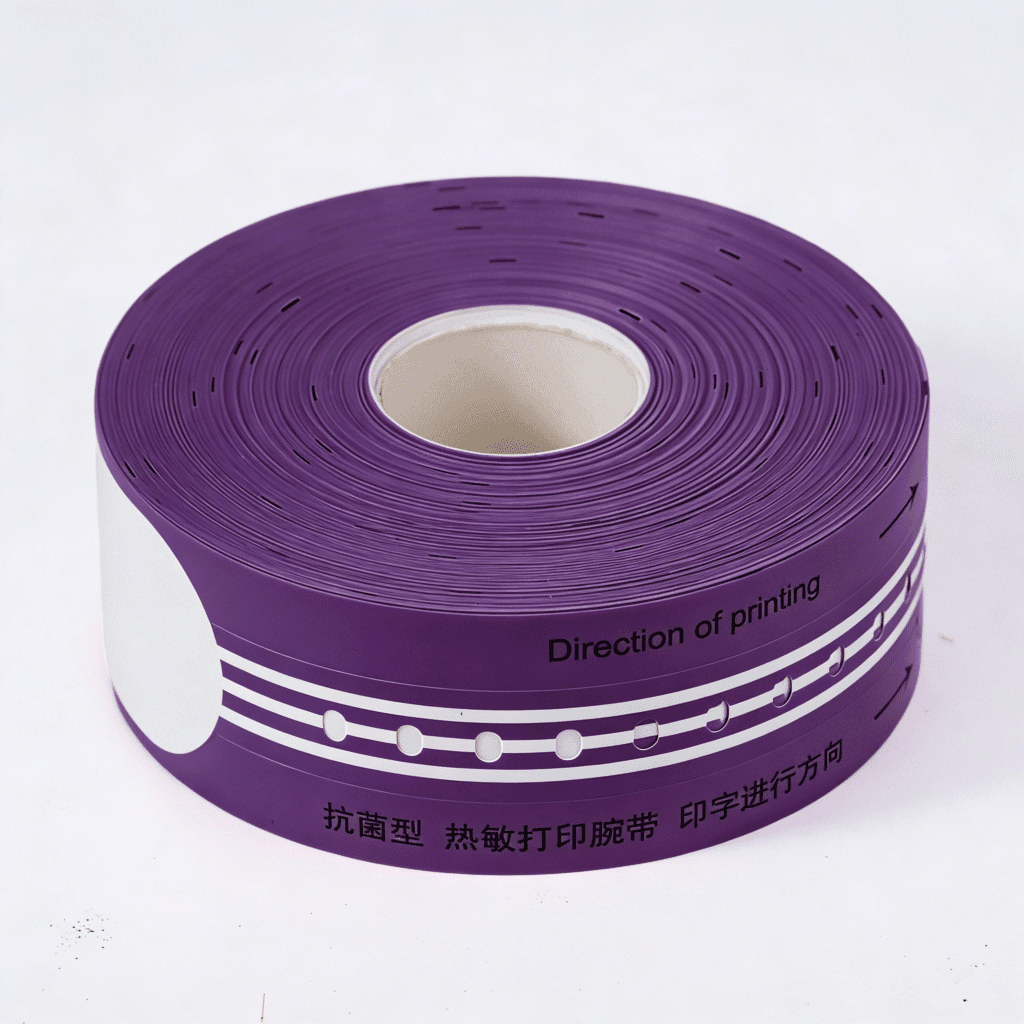
Clear guide to the purple DNR wristband explaining its meaning safety standards and how it supports patient dignity and accurate care decisions
The History and Standardization of the Purple Wristband
Before 2008, patient safety was often a gamble of geography. One hospital’s color code for “DNR” might have been another facility’s code for “Allergy.” This lack of uniformity was a breeding ground for catastrophic errors. To combat this, the healthcare industry moved decisively toward standardized patient alerts, creating a universal visual language that travels with the patient.
The “Big Three” Explained
The American Hospital Association (AHA) stepped in to eliminate the guesswork. They established the AHA color-coded wristband standards, limiting the visual noise to three critical alerts known as the “Big Three”:
- Red: Allergy Alert (Stop and check)
- Yellow: Fall Risk (Caution required)
- Purple: Do Not Resuscitate (DNR)
Why Purple?
The choice of purple was deliberate, not decorative. It carries specific purple bracelet medical significance designed to protect the patient:
- Dignity: Historically associated with royalty, purple honors the solemnity of end-of-life choices.
- Contrast: It is visually distinct from the standard “Code Blue,” serving as a crucial component of medical error prevention strategies. Using a unique color prevents the reflex to resuscitate during a crisis.
Regulatory Landscape
Adopting these colors isn’t just a suggestion; it is a safety imperative backed by FDA wristband recommendations. Many states have now mandated these specific color codes to ensure that a patient’s wishes are respected regardless of the facility they are in. We ensure our identification solutions align strictly with these regulations, providing the clarity needed when seconds count.
The Clinical Reality: What a DNR Order Is (and Isn’t)
Clarifying Definitions
Let’s cut through the noise regarding Understanding the Purple Wristband. There is often a misconception that a Do Not Resuscitate (DNR) order means “do not treat.” This couldn’t be further from the truth. A DNR order is a specific medical directive that instructs healthcare providers not to perform cardiopulmonary resuscitation (CPR) if a patient’s breathing or heart stops.
It is vital for palliative care patient safety to understand the distinction:
- What it IS: A decision to allow natural death without aggressive interventions like chest compressions, electric shocks, or intubation during cardiac arrest.
- What it IS NOT: It does not mean withholding pain medication, antibiotics, nutrition, or other treatments for manageable conditions.
The Wristband as a Trigger, Not the Order
We need to be clear about the purple bracelet medical significance. The wristband itself is not the legal document; it is a visual trigger. In the high-pressure environment of a hospital, that purple band serves as an immediate “stop and check” signal for the clinical team.
To ensure we are preventing resuscitation errors, staff must understand the workflow:
- Visual Alert: The band flags the patient’s status instantly.
- Verification: The band prompts the staff to confirm the end-of-life care documentation in the patient’s chart.
- Legal Backing: The actual wristband verification process relies on the signed physician’s order, not just the plastic on the wrist.
The wristband ensures the right questions are asked before action is taken, balancing speed with Do Not Resuscitate legal requirements.
Safety Protocols: Preventing Errors and Confusion
The Risk of “Wristband Fatigue”
In a busy hospital environment, we often see patients wearing a stack of different bands—one for ID, one for allergies, another for fall risk. This creates “wristband fatigue.” When there is too much visual noise, the critical purple bracelet medical significance can be overlooked during an emergency.
To maintain effective medical error prevention strategies, we must avoid clutter. The goal is to ensure that when a responder sees purple, it registers immediately. We recommend limiting non-essential bands so that standardized patient alerts like the DNR wristband remain the focal point of safety.
Wristband Verification Process
The wristband is a trigger, not the legal order itself. Seeing the purple color tells the medical team to stop and verify, but it does not replace the chart. A robust wristband verification process is essential to ensure that the band on the wrist matches the current medical reality.
Standard verification steps should include:
- Visual Confirmation: Ensure the band is present and the text is legible.
- Chart Check: Always cross-reference the band with the signed end-of-life care documentation.
- Shift Handoffs: Verbally confirm DNR status during every staff change.
Durability Matters
A wristband that falls off or fades is a liability. In healthcare settings, these bands face water, sweat, and harsh alcohol-based sanitizers. If the “DNR” text smudges or the purple color washes out, the patient safety identification system has failed.
This is why quality is non-negotiable. With our LinkWin medical identification solutions, we focus on materials that resist fading and tearing. Preventing resuscitation errors relies on the physical integrity of the band; it must remain clear and readable from the moment it is applied until the patient is discharged.
Managing DNR with Dignity: The Human Element
When we talk about identification solutions, it is easy to get lost in the specs of durability and scanning. But the purple band is different. Understanding the Purple Wristband: Managing DNR Orders with Dignity and Clarity requires us to look past the plastic and see the person. This isn’t just another inventory item; it represents a profound decision regarding patient autonomy in healthcare. As providers of these essential tools, we must ensure the process of using them honors the patient’s wishes without stripping away their humanity.
The “Ceremony” of Application
Applying a DNR wristband should never feel like tagging inventory. It is a significant moment where end-of-life care documentation translates into physical reality. I always advocate for treating this moment with a sense of ceremony and respect.
- Explain the Action: Don’t just snap the band on while checking a monitor. Look the patient in the eye.
- Confirm Consent: Briefly verbalize that this band secures their specific medical choices.
- Check the Fit: Ensure it is comfortable, acknowledging that they will be wearing this constantly.
This approach transforms a clinical procedure into an act of care, reinforcing palliative care patient safety rather than just bureaucratic compliance.
Privacy and Sensitivity
While AHA color-coded wristband standards dictate that these alerts must be visible to clinical staff, that doesn’t mean they should be a billboard for the general public. There is a fine line between clinical visibility and personal privacy.
We need to handle purple bracelet medical significance with discretion. Staff should avoid shouting out “DNR status” across a hallway or discussing the wristband in crowded elevators. The goal is to ensure the medical team sees the alert instantly during a crisis, not to label the patient for every visitor to see.
Family Communication
Families often panic when they see a new colored band on a loved one. Without context, they might misinterpret hospital alert bracelet meanings as a sign that the medical team is “giving up.”
Clear communication is the only way to prevent this distress:
- Clarify the Purpose: Explain that the wristband prevents resuscitation errors and unwanted traumatic interventions.
- Reassure Care Continues: Emphasize that “Do Not Resuscitate” does not mean “Do Not Treat.”
- Open Dialogue: Allow family members to ask questions about the Do Not Resuscitate legal requirements backing the order.
By bridging this gap, we turn the wristband from a symbol of fear into a tool for peace of mind.
Best Practices for Implementation: Rolling Out DNR Wristband Protocols
Implementing a robust system for Understanding the Purple Wristband: Managing DNR Orders with Dignity and Clarity requires more than just stocking supplies; it demands a strategic approach to patient safety identification systems. From my perspective in the industry, facilities that succeed are the ones that standardize their approach and prioritize clarity above all else.
Standardization Policy
To avoid critical mistakes, your facility must adopt a zero-tolerance policy for ambiguity. Rigid adherence to AHA color-coded wristband standards is the baseline for safety.
- Uniformity is Key: Ensure that “Purple” means Do Not Resuscitate across every department, from the ER to palliative care units.
- Policy Integration: Your written protocols must explicitly link the wristband to end-of-life care documentation, ensuring the visual cue is always backed by a signed order.
- Eliminate Noise: Remove any non-standard wristbands that might look similar to the purple alert to maintain standardized patient alerts.
Staff Training
The best tools are useless if your team doesn’t know how to use them. Effective medical error prevention strategies rely heavily on continuous education regarding Do Not Resuscitate legal requirements.
- Drill the Basics: Regular training sessions should cover the wristband verification process, teaching staff to check the band against the chart every single time.
- Clarify Roles: Ensure everyone knows that the wristband is a trigger for action, not the legal order itself.
- Culture of Safety: Encourage staff to replace worn bands immediately to preserve the purple bracelet medical significance.
Supply Chain Reliability
As a provider of LinkWin medical identification solutions, I know that durability is non-negotiable. You cannot risk a DNR wristband falling off or the text fading after a shower.
- Quality Assurance: Source wristbands that are resistant to water, alcohol, and friction.
- Consistent Supply: Maintain a reliable inventory to prevent running out of these critical identifiers.
- Readable Data: Ensure your printing technology produces clear, smudge-proof text to aid in preventing resuscitation errors.
By focusing on high-quality materials and strict protocols, you ensure that patient autonomy in healthcare is respected and protected at all times.
