
Subtotal ¥0.00
Discover how durable thermal wristband systems enable rapid patient identification in emergency care to enhance safety, accuracy, and workflow efficiency.
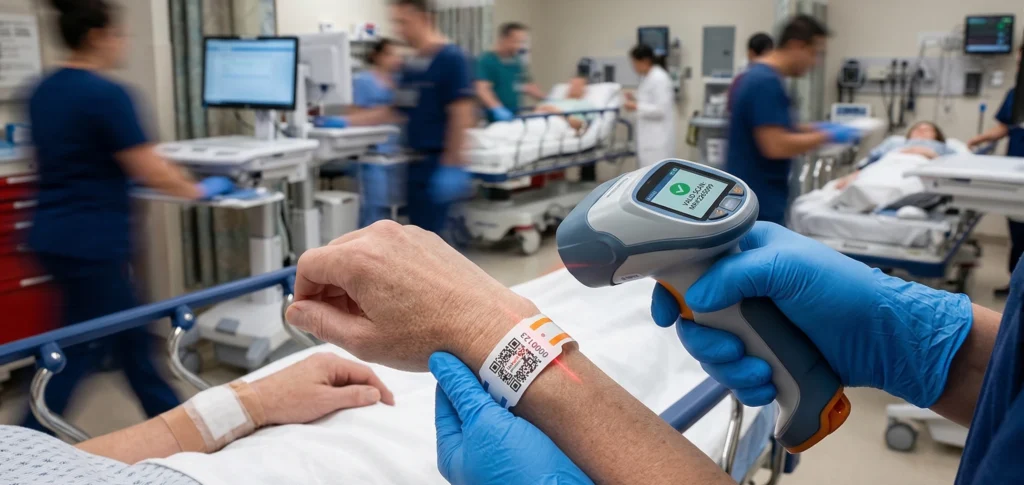
Imagine an emergency room flooded with patients, where every second counts and the smallest mistake can have dire consequences. In these high-pressure moments, emergency care patient identification isn’t just a checkbox—it’s a critical lifeline. That’s where rapid patient identification at emergency care centers using wristband systems steps in. These wristbands make instant, accurate identification possible, helping clinicians avoid dangerous mix-ups, speed up triage, and deliver the right care precisely when it matters most. If you’re involved in healthcare operations, patient safety, or emergency department management, understanding how to implement robust wristband solutions can transform chaotic workflows into streamlined lifesaving actions. Let’s explore why reliable wristband systems aren’t just helpful—they’re essential.
The High-Stakes Challenge of Patient Identification in Emergency Care
Accurate patient identification in emergency departments (ED) is a critical, high-pressure challenge. Rapid, reliable identification prevents medical errors, ensures correct treatment, and safeguards patient safety. Emergency care settings face unique difficulties—patients often arrive unresponsive, confused, or unable to communicate. This complicates positive patient identification wristband use and increases risks of misidentification.
Common challenges include:
- Time constraints: Clinicians must make quick
How Wristband Systems Enable Rapid Patient Identification
Wristband systems are a game-changer for rapid patient identification in emergency care centers. They work by providing positive patient identification wristbands that staff can scan or visually check, speeding up the verification process and reducing errors.
Here’s how these systems fit into the emergency department workflow:
- Quick scanning: Barcode wristband patient safety features let nurses and doctors instantly access patient records using scanners or mobile devices.
- Real-time updates: Information on wristbands, especially RFID patient wristbands hospital systems, can sync instantly with electronic health records, keeping data current.
- Triage support: Rapid tri
Key Features of Effective Emergency Wristband Systems
When it comes to patient ID wristbands in emergency departments, certain features make a big difference. Here’s a quick breakdown:
| Feature | Why It Matters | What to Look For |
|---|---|---|
| Durability | Wristbands must withstand water, sweat, and rough handling in the ER. | Smear resistant, tear-proof materials like thermal or laminated bands |
| Printing Tech | Clear, readable information reduces errors. | Smudge-proof thermal printing or barcode printing for quick scanning |
| Security | Prevents wristband swapping or tampering, cutting medication errors. | Tamper-evident locks and secure barcode/RFID encoding |
| Compatibility | Must easily integrate with existing ED systems. | Barcode or RFID formats that work with hospital scanners and software |
| Color Coding | Speeds up triage and alerts staff to patient status. | Bright, standardized color-coded alert wristbands for quick identification |
| Patient Comfort | Since patients wear them for hours, comfort is key to compliance. | Soft, adjustable, hypoallergenic materials |
These factors ensure rapid patient identification wristband systems support smooth workflow and patient safety in hectic emergency environments. With the right mix, wristbands help reduce mistakes, improve tracking, and meet key safety standards like those from the Joint Commission.
Types of Wristbands Suited for Emergency Settings
When it comes to patient ID wristbands in emergency departments, choosing the right type can boost safety and speed up care. Here’s a quick look at the main wristbands used in emergency care and how they stack up:
Thermal Wristbands
- Smear resistant thermal wristbands are popular for quick printing on-site.
- They offer decent durability but can fade if exposed to water or friction.
- Ideal for rapid triage wristband systems where patient info changes fast.
Laminated Wristbands
- Feature a protective layer that resists water, smudging, and general wear.
- Great for longer stays or when patient ID must last through multiple procedures.
- They help reduce wristband medication errors by keeping info clear.
RFID-Enabled Wristbands
- Use embedded chips for electronic tracking and positive patient identification wristbands.
- Enable fast scanning, reducing manual errors and improving patient safety.
- Perfect for emergency disaster patient tracking bands where quick data access is critical.
Specialized Triage Wristbands
- Often color coded alert wristbands for quick visual clues in ER settings.
- Support Joint Commission patient identification standards by clearly marking urgency levels.
- Designed for durability and easy application during high-pressure situations.
Choosing between these depends on your emergency care center’s workflow, patient volume, and safety priorities. Combining color coding, durability, and tech like RFID can really enhance your ED workflow patient ID solutions.
Implementing Wristband Systems: Best Practices for Emergency Care Centers
Getting wristband systems right in emergency care centers means focusing on smooth setup, staff training, and solid verification processes. Here’s a simple step-by-step guide to help you ensure rapid patient identification with wristbands:
1. Choose the Right Wristband Type:
- Select wristbands tailored for emergency use—durable, smear resistant thermal wristbands or RFID patient wristbands are common picks.
- Consider color-coded alert wristbands for quick visual cues during triage.
2. Train Your Staff Thoroughly:
- Teach everyone how to correctly apply wristbands, scan barcodes, or read RFID tags to ensure positive patient identification wristband use.
- Run regular drills to reinforce accuracy and speed without cutting corners.
3. Integrate with ED Workflow:
- Make wristband application a routine step as soon as the patient arrives to avoid any delays.
- Ensure wristband data links seamlessly with your emergency department’s patient ID solutions software for real-time tracking.
4. Verify Patient Identity Continuously:
- Double-check ID details at key points—admission, treatment, medication—to reduce wristband medication error risks.
- Use barcode scanning or manual verification to maintain Joint Commission patient identification standards.
5. Keep Supplies Ready and Customized:
- Stock up on various wristband types and sizes to fit every patient comfortably and securely.
- Customize wristbands with hospital logos or alerts to improve patient comfort and safety.
By following these best practices, emergency care centers strengthen patient safety, reduce errors, and speed up workflows—making wristband systems a trusted part of emergency disaster patient tracking bands.
Measuring Impact: Patient Safety, Efficiency, and Compliance Gains
Using patient ID wristbands in emergency departments isn’t just about checking a box—it makes a real difference. Hospitals that implement rapid patient identification wristband systems see clear improvements in safety, speed, and compliance.
Patient Safety Improvements
- Reduced medication errors: Wristbands with clear, tamper-evident printing and barcode or RFID technology help ensure the right patient gets the right treatment.
- Positive patient identification wristband use minimizes risks like wrong-patient procedures and test mix-ups.
- Smear resistant thermal wristbands mean important info stays readable during critical care, reducing mistakes.
Efficiency Boosts
- Quick scanning of barcode wristbands speeds up patient flow and emergency triage.
- ED workflow patient ID solutions integrate smoothly with hospital systems, cutting down delays.
- Color-coded alert wristbands in ERs help staff immediately spot critical conditions and prioritize care.
Compliance and Quality
- Wristband systems support adherence to Joint Commission patient identification standards, crucial for audits and certifications.
- Automated verification steps reduce manual errors and improve documentation reliability.
Overall, real-world data shows that hospitals using durable, well-implemented wristband systems achieve better patient outcomes, smoother operations, and meet safety regulations more easily. This blend of safety, speed, and reliability makes wristbands an essential tool in emergency care centers worldwide.
Choosing the Right Wristband Partner for Your Emergency Department
Picking the right partner for emergency care patient identification wristbands is critical. Your choice affects everything from patient safety to workflow efficiency. Here’s what to look for when evaluating vendors:
1. Quality of Materials
- Durable medical identification bands that hold up in the fast-paced ED environment
- Smear resistant thermal wristbands to ensure barcodes and patient info stay clear
- Tamper evident hospital bracelets to prevent misuse
2. Printing Technology and Compatibility
- Barcode wristband patient safety depends on clear, scannable prints
- Look for thermal hospital wristbands or RFID patient wristbands hospital-ready for quick, reliable scanning
- Check that wristbands work seamlessly with your existing ED workflow patient ID solutions
3. Reliable Supply and Customization Options
- Consistent supply chains to avoid shortages during emergencies or surge periods
- Color coded alert wristbands ER and rapid triage wristband systems customizable to your protocols
- Tailored patient ID wristbands emergency department options like size, material, and alert features
4. Cost and Value
- Balance upfront cost with long-term savings from wristband medication error reduction and patient safety gains
- Consider bulk pricing and contract terms that match your emergency care volume
By choosing a partner who excels in these areas, you ensure your emergency disaster patient tracking bands really boost patient safety and streamline your department’s identification process.
