
Subtotal ¥0.00
Discover why sanitizer-resistant red allergy wristbands with waterproof, fade-proof printing are vital for patient safety and infection control.
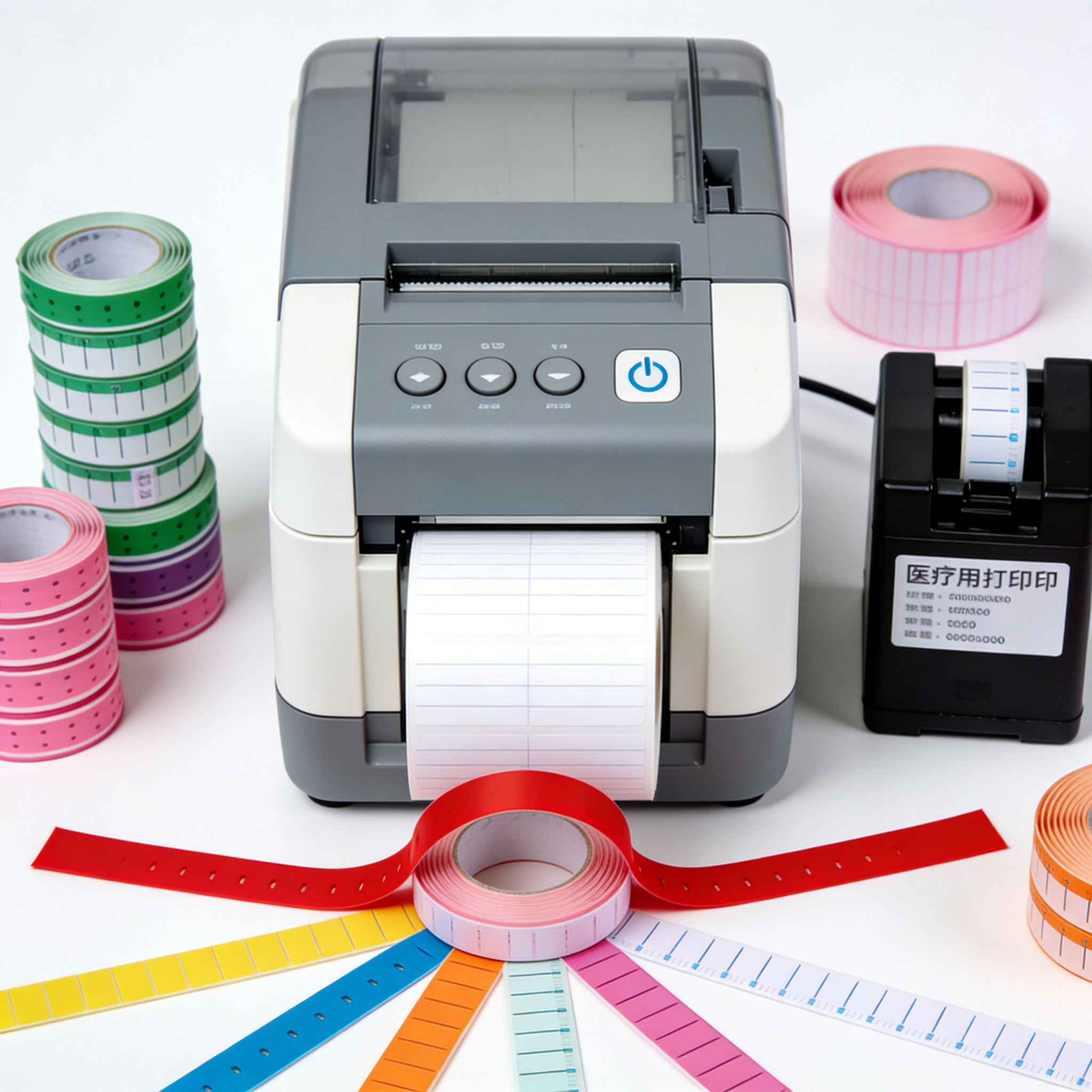
The Critical Role of Red Allergy Wristbands in Patient Safety
When we see red in a clinical setting, we know exactly what it means: STOP. Under the American Hospital Association (AHA) and multi-state standardization protocols, a red allergy alert band is the universal signal for “Allergy Alert.” It isn’t just a suggestion; it is a critical visual cue that prompts immediate verification before administering medications, food, or treatments.
However, a wristband is only effective if you can actually read it. Patient safety wristbands that are faded, smudged, or worn down are a direct threat to care. If the visual alert is compromised, the safety net fails.
Why Visibility Matters:
- The Risk is Real: Research indicates a 30% higher mismatch risk when patient identification is illegible.
- The Consequence: Compromised visibility contributes directly to misidentification and preventable adverse events.
These bands are the lifeline for patients with severe sensitivities, including:
- Penicillin and antibiotic allergies
- Latex sensitivity
- Severe food allergies (like peanuts or shellfish)
If the AHA standardized colors fade, the alert fails. Ensuring these medical error prevention bands remain bold and visible is the first step in protecting our most vulnerable patients.
The Daily Reality: Constant Exposure to Alcohol-Based Sanitizers
In any clinical setting, strict hygiene is the law. To comply with CDC and Joint Commission mandates, healthcare professionals rigorously use hand rubs containing 60-90% alcohol. This isn’t occasional; it happens before and after every single patient interaction, creating a harsh chemical environment for patient identification.
Hand sanitizer exposure wristbands endure relentless contact. Nurses and staff handle patient wrists dozens of times per shift for barcode scanning, vitals, and medication administration. Consequently, residual alcohol is frequently transferred directly from damp hands onto the band surface.
For standard wristbands, this chemical assault causes immediate degradation:
- Chemical Breakdown: High-concentration alcohol acts as a strong solvent, dissolving standard topcoats and toners.
- Critical Fading: The vital red allergy alert color bleeds or vanishes, neutralizing the visual warning.
- Data Loss: Fading ink on wristbands leads to smudged text and unreadable barcodes.
If you aren’t utilizing alcohol proof patient bands, you are essentially printing safety warnings that are destined to fail. To maintain safety, sanitizer resistant wristbands must be engineered to withstand the very hygiene protocols meant to protect patients.
The Severe Consequences of Non-Resistant Wristbands
When we compromise on the quality of hospital patient wristbands, we aren’t just risking a smudge; we are risking lives. Using bands that can’t withstand daily chemical exposure creates a domino effect of failures across the clinical environment.
Here is what happens when wristbands fail the durability test:
- Critical Patient Safety Risks: The most immediate danger is a missed diagnosis. If a red allergy alert band fades or the text blurs, nurses may miss a critical warning. This delayed recognition can lead to anaphylaxis or the administration of the wrong medication. Legible allergy alerts are the final check before treatment; if they fail, the safety net is gone.
- Liability and Compliance Issues: Illegible identification is a compliance auditor’s red flag. If medical error prevention bands are unreadable, you face potential citations from The Joint Commission. Beyond compliance, if a patient is harmed because an alert was washed away by sanitizer, the legal exposure for the facility is massive.
- Infection Control Concerns: Cheap materials don’t just fade; they degrade. When alcohol breaks down the surface of a wristband, it becomes porous. Studies have shown that degrading materials harbor bacteria, turning what should be a safety tool into a pathogen hotbed. You need infection control wristbands that stay sealed and sanitary.
- Operational Inefficiencies: Time is the most valuable resource on a ward. When fading ink on wristbands forces staff to stop their rounds and reprint IDs, it disrupts the entire workflow. Frequent reprints cause staff frustration and unnecessary waste, driving up operational costs over time.
What Makes a Wristband Truly Sanitizer-Resistant?
It all comes down to the chemistry of the materials. Standard paper bands act like sponges, absorbing liquids and blurring critical data. To create genuine sanitizer resistant wristbands, we rely on non-porous synthetics—usually polypropylene or advanced composites. These materials are engineered with specialized thermal coatings explicitly tested to withstand repeated exposure to 70% isopropyl alcohol without degrading.
When sourcing durable allergy wristbands, I always insist on these non-negotiable features:
- Waterproof & Non-Porous: Fluids must bead up and roll off, preventing absorption.
- Tear-Resistant: The band must withstand physical wear without snapping.
- Rub-Proof Printing: Data should not smear when wiped vigorously during hygiene protocols.
- Long-Term Legibility: The “Allergy Alert” status must remain sharp after 50+ sanitizer exposures.
Laser vs. Direct Thermal: The Durability Standoff
Many facilities still use laser printers, but for alcohol proof patient bands, direct thermal technology is the superior choice. Laser toner sits on top of the material and can flake off when alcohol breaks the bond. Thermal printable patient bands use heat to activate the color within the material itself, offering a much harder defense against chemical erosion.
| Feature | Laser Wristbands | Direct Thermal Wristbands |
|---|---|---|
| Alcohol Resistance | Low (Toner can fade or flake) | High (Chemically resistant top-coat) |
| Print Method | Surface-level toner application | Heat-activated internal reaction |
| Cost Over Time | High (Requires expensive toner) | Cost-Efficient (No ink/ribbons needed) |
| Wastage | High (Sheet printing limits) | Low (Print on demand) |
Choosing the right technology ensures that your red allergy alert band remains a safety tool, not a liability, throughout the patient’s entire stay.
Best Practices for Implementing Durable Red Allergy Wristbands
Implementing a new identification system isn’t just about swapping out supplies; it is about reinforcing safety protocols. When I advise facilities on upgrading their patient safety wristbands, I emphasize that the goal is long-term reliability, not just initial compliance. You need a red allergy alert band that survives the real-world chaos of a hospital ward.
Here are the core standards we should all follow to keep patients safe:
- Prioritize Proven Durability: Don’t guess. Select sanitizer resistant wristbands that meet AHA standardized colors and have passed rigorous alcohol-rub testing. If the red fades to pink after a few shifts, it’s a liability.
- EHR Integration: Stop handwriting alerts. Pair your thermal printable patient bands directly with your Electronic Health Records. This ensures accurate data transfer and reduces the human error factor significantly.
- Boost Visibility: Make it loud. Use bold fonts and high-contrast layouts. The specific allergy (e.g., “LATEX”) should be instantly readable on the red allergy alert band from a safe distance.
- Maintenance & Hygiene: Nurses must be able to clean the band. Choose infection control wristbands that can handle daily wipe-downs with hospital-grade disinfectants so legible allergy alerts remain clear without becoming a breeding ground for bacteria.
LinkWin: Engineered for Uncompromising Reliability
When we developed our LinkWin sanitizer resistant wristbands, we didn’t just focus on the color; we focused on survival in a high-contact clinical environment. We understand that a red allergy alert band is useless if it fades after a few rounds of hand hygiene. That is why we engineered a solution specifically designed to withstand the harsh reality of hospital workflows.
Here is why LinkWin stands out as the superior choice for patient safety wristbands:
- Proven Alcohol Resistance: Our specialized top-coating shields the red signal and patient data from aggressive 70-90% alcohol sanitizers. The warning color stays vibrant, not washed out.
- Superior Print Durability: We ensure that legible allergy alerts remain sharp. The text resists smudging and rubbing, preventing the dangerous “blank band” scenario.
- Latex-Free Comfort: Safety shouldn’t hurt. Our bands are made from soft, latex-free synthetic materials that reduce skin irritation while remaining tough against tearing.
- Cost-Effective Scalability: We provide premium durability at a price point that makes sense for high-volume hospital patient wristbands procurement.
You need tools that work as hard as your nursing staff. With LinkWin, you ensure that every durable allergy wristband maintains its visual integrity shift after shift, protecting your patients from medical errors and your facility from compliance risks.
Frequently Asked Questions (FAQs)
We know that maintaining patient safety wristbands can be tricky when you are constantly battling infection control protocols. Here are the answers to the most common questions we get about keeping those critical red alerts visible.
Why does the red color on allergy wristbands fade so quickly?
The main culprit is the chemical reaction between standard inks and the alcohol found in hospital-grade hygiene products. Most red allergy alert bands are printed with basic top-coats that dissolve when exposed to 60-90% isopropyl alcohol.
- Solvent Action: Hand sanitizer exposure wristbands face harsh solvents that break down the binders in the ink.
- Friction: The combination of wet sanitizer and the physical rubbing of cuffs or bedsheets accelerates fading ink on wristbands.
- Material Quality: If the band isn’t a dedicated sanitizer resistant wristband, the material absorbs the liquid, causing the color to bleed or vanish.
Are thermal wristbands better than laser wristbands for alcohol resistance?
In my experience, yes. Thermal printable patient bands—specifically direct thermal options—offer superior durability compared to standard laser-printed bands.
- Laser Limitations: Laser printers use toner that sits on top of the wristband surface. Alcohol can easily wipe this layer away, compromising medical error prevention bands.
- Thermal Advantage: High-quality thermal bands use heat to create an image within the coating of the material. This makes them significantly more resistant to becoming fading ink on wristbands.
- LinkWin Solution: Our thermal options are engineered as alcohol proof patient bands, ensuring the red alert stays bold without needing expensive laminate overlays.
How often should nurses check the legibility of a patient’s allergy band?
To ensure AHA standardized colors are doing their job, visual checks should be integrated into your daily workflow. We recommend verifying legible allergy alerts at these critical points:
- Shift Change: Confirm the band is readable during bedside handoff.
- Medication Administration: Verify the red allergy alert band before every single dose.
- Post-Hygiene: A quick glance after bathing the patient or applying sanitizer near the wrist.
If a band shows signs of wear, replace it immediately. A faded band is a patient safety risk we cannot afford.
