
Subtotal ¥0.00
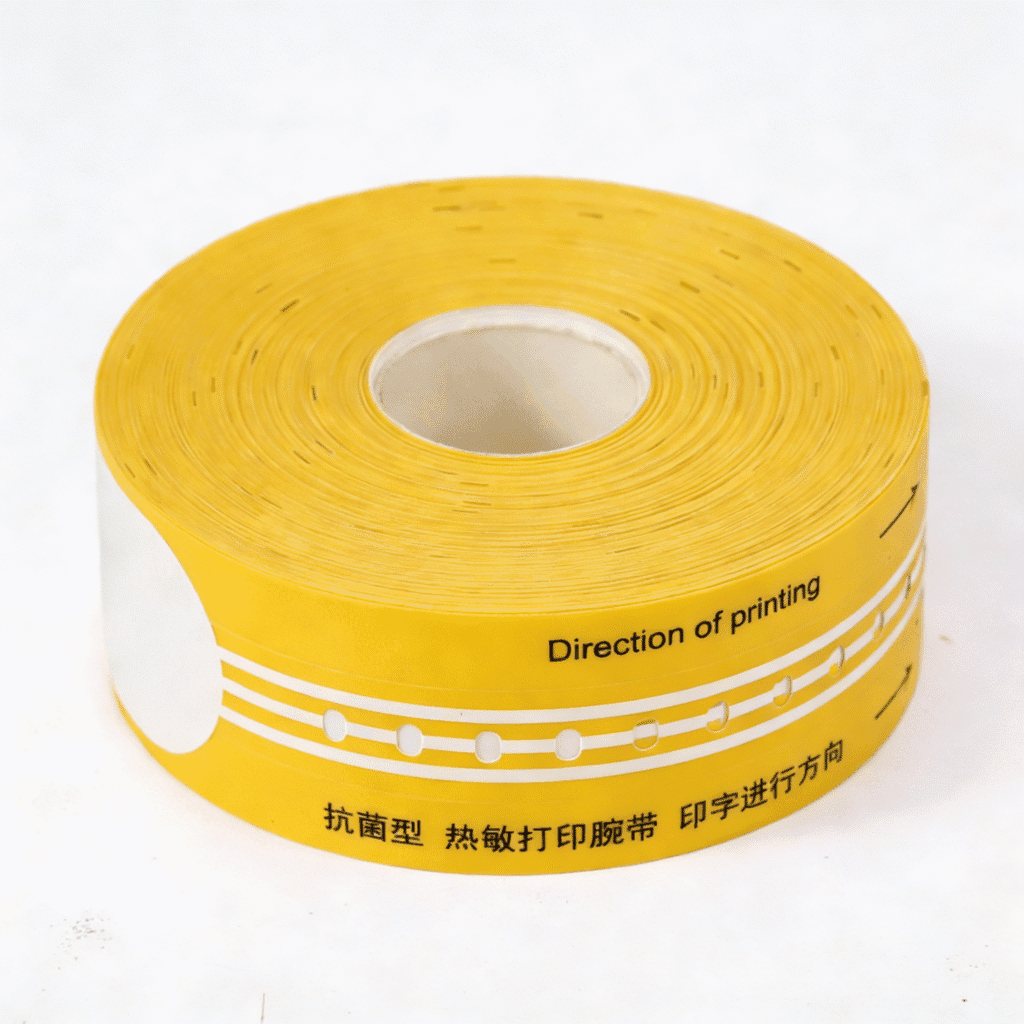
Yellow wristband fall prevention guide with AHA standards plus LinkWin durable medical ID solutions for safer hospital patient identification
The ‘Gold Standard’: Why Yellow and Why Standardization Matters
In the high-stakes environment of acute care, visual cues must be instant and universal. When a patient attempts to stand, seconds matter. That is why Yellow Wristbands in Hospitals have become the non-negotiable signal for fall risk. We advocate for strict adherence to standardized colors because ambiguity at the bedside leads to preventable harm. When safety protocols are uniform, reaction times decrease, and patient outcomes improve.
AHA & State Mandates: Understanding Red, Yellow, and Purple Standards
Following the AHA standardized wristband colors isn’t just about compliance; it’s about creating a universal language for safety. Most states have adopted the American Hospital Association’s consensus to eliminate confusion. We recommend strictly adhering to this triad to maintain Joint Commission National Patient Safety Goals:
- Red: Allergy Alert (Stop and Check)
- Yellow: Fall Risk (Caution/Assistance Required)
- Purple: Do Not Resuscitate / DNR (End of Life Protocol)
By aligning with these patient safety identifiers, we ensure that a clinician’s reaction to a specific color is automatic, bypassing the need to read fine print during a crisis.
The ‘Traveling Nurse’ Factor: Why Uniformity is Vital
With the rise of agency staffing and traveling nurses, the consistency of hospital risk management strategies is more critical than ever. A nurse rotating from a facility in California to one in New York shouldn’t have to relearn safety codes.
If a traveling nurse sees yellow, they must instinctively know to assist with ambulation. Uniformity reduces cognitive load, allowing staff to focus on clinical care rather than decoding local color schemes. This seamless integration is essential for maintaining a robust interdisciplinary care plan across shifting teams.
Risk of Deviation: The Dangers of Non-Standard Colors
Deviating from the gold standard—such as using orange for falls or green for allergies—is a recipe for sentinel event prevention failure. I have seen institutions try to implement custom color coding, only to face disastrous “near misses” when staff confused a fall risk for a restricted extremity alert.
The bottom line: Stick to the standard. Customization in safety protocols introduces unnecessary variables that compromise patient outcomes. Using recognized medical alert wristband protocols ensures that the message “Yellow Means Caution” is never lost in translation.
Phase 1: Assessment and Qualification for Yellow Wristbands
We cannot rely on guesswork when assigning Yellow Wristbands in Hospitals. Placing a visual alert on a patient is a clinical decision that requires a standardized approach. If we hand them out like candy, they lose their meaning. The goal is to identify the patients who truly need extra vigilance without overwhelming our staff.
Clinical Assessment Tools: Morse Fall Scale & STRATIFY
To determine who qualifies for a fall risk band, we must rely on validated data. Integrating the Morse Fall Scale assessment into the admission workflow is standard practice for a reason. It provides a numerical score based on history of falling, secondary diagnosis, ambulatory aid, IV therapy, gait, and mental status.
Alternatively, the St. Thomas Risk Assessment Tool in Falling Elderly Inpatients (STRATIFY) offers a robust option for geriatric populations. Using these tools ensures that the decision to apply patient safety identifiers is objective, not subjective.
Dynamic Risk Factors: Sedation and Frailty
A patient’s risk profile is never static. Fall risk stratification must be dynamic. A patient might walk in with a low risk score, but their status changes the moment we administer treatment. We have to watch for:
- Sedation: Post-operative grogginess or sleep aids significantly impair balance.
- Medications: Diuretics, antihypertensives, and narcotics can cause sudden dizziness.
- Frailty: Muscle weakness that may not be apparent until the patient attempts to stand.
Re-assessment should happen whenever a patient’s condition or medication regimen changes.
The ‘Universal Precautions’ Debate: Avoiding Alarm Fatigue
There is a temptation to put a yellow band on everyone “just to be safe.” This is a mistake. When every patient wears a yellow band, the color stops registering as a warning signal to staff. This leads to alarm fatigue, where the visual cue is ignored.
To maintain an effective hospital fall prevention toolkit, we must balance safety with selectivity. Reserve the yellow wristband for patients who meet specific criteria. This ensures that when a nurse sees yellow, they instinctively know to initiate medical alert wristband protocols and offer immediate assistance.
Phase 2: Application and Workflow Best Practices
Immediate Application Protocols
We cannot afford to wait. The moment a patient is admitted, the hospital fall prevention toolkit must be activated. I treat the application of Yellow Wristbands in Hospitals as a priority task, not paperwork to finish later. If the initial Morse Fall Scale assessment flags a risk, the band goes on immediately. Delaying this step until the first shift change creates a dangerous window where staff might unknowingly leave a high-risk patient unattended.
Strategic Placement for Visibility
Placement isn’t random; it’s strategic. I recommend placing the alert band on the patient’s dominant wrist. This is the hand they use to reach for a water pitcher, the call button, or the bed rail to pull themselves up. By putting patient safety identifiers on the active hand, we ensure that the yellow warning is the first thing a nurse sees when a patient attempts to move.
Removing ‘Community’ Bands
Visual clutter kills compliance. Patients often arrive wearing charity wristbands, fitness trackers, or hair ties that mimic clinical colors. To strictly adhere to AHA standardized wristband colors, I make it a hard rule to remove or tape over any personal items that could cause confusion. If a nurse sees yellow, it must mean “Fall Risk,” not a fashion statement.
Material Matters for Skin Integrity
Comfort drives compliance. Using cheap, sharp-edged plastic on an elderly patient with fragile skin is a mistake. I always opt for soft, anti-microbial thermal print medical bands. These materials protect skin integrity and ensure the alert text doesn’t fade after a shower, keeping the visual cueing systems in healthcare effective throughout the patient’s stay.
Workflow for Fall Risk Banding
| Protocol Step | Best Practice Action |
|---|---|
| Timing | Apply band immediately upon admission or risk status change. |
| Placement | Dominant wrist to maximize visibility during movement. |
| Clutter Control | Remove personal bands to prevent color code confusion. |
| Material Choice | Use soft, anti-microbial bands to prevent skin tears. |
Phase 3: The ‘Yellow Means Help’ Ecosystem
Visual Cueing Systems in Healthcare
A Yellow Wristband in Hospitals acts as the anchor for safety, but it cannot be the only line of defense. We need visual synergy to ensure the message lands every time. I always recommend a “triple-threat” approach to visual cues:
- Wristband: The primary identifier attached to the patient.
- Non-Slip Socks: Matching yellow footwear provides a secondary alert if the wrist is covered by blankets.
- Door Magnets/Signage: A yellow star or magnet on the door frame alerts staff before they even enter the room.
This redundancy creates a fail-safe environment. If a blanket hides the wristband, the socks catch the eye. If the patient is in bed, the door magnet pre-warns the care team. It creates a cohesive ecosystem where every visual element communicates the same urgent message: Fall Risk.
Patient Ambulation Safety Protocols
The wristband is not just a label; it is a command for specific behavior. In my experience, the most effective protocol is simple: Yellow means help.
When a staff member sees that yellow band, independent movement is strictly off the table. Patient ambulation safety relies on the “within arm’s reach” or “hands-on” rule. Staff must physically assist these patients—often utilizing a gait belt—during any transfer, whether it is from bed to chair or a trip to the restroom. The wristband serves as the immediate visual authorization for staff to intervene and provide physical support without hesitation.
Nursing Bedside Handoff Verification
Shift changes are notorious for communication breakdowns, which is why verifying the band is critical during the nursing bedside handoff. We cannot rely solely on the electronic medical record to tell us who is at risk.
During the handoff, the outgoing and incoming nurses should physically go to the bedside.
- Visual Check: Lift the patient’s arm to confirm the band is present.
- Legibility Check: Ensure the text hasn’t faded and the clasp is secure.
- Status Confirmation: Verbalize the fall risk status to the patient and family.
This process prevents sentinel event prevention failures where a band might have been cut off for a procedure (like an IV insertion) and never replaced. It turns a passive chart note into an active, verified safety check.
Patient and Family Education: The Missing Link
Even the most visible yellow wristbands in hospitals fail if the people wearing them don’t understand the rules. Education is the bridge between a plastic band and actual patient ambulation safety. We cannot rely solely on staff awareness; the patient and their support system must be active participants in the interdisciplinary care plan. Without this buy-in, the wristband is just a decoration rather than a functional safety tool.
Scripting for Nurses: Explaining Safety Without Stripping Dignity
Telling an independent adult they are suddenly a “fall risk” can feel demeaning. Compliance drops when patients feel their dignity is being attacked. The goal is to frame the yellow wristband as a temporary safety measure rather than a judgment on their physical capability.
I recommend using specific scripts that blame the situation, not the patient:
- Focus on Meds: “This band reminds us that your new medication causes dizziness, so we need to walk with you until it clears.”
- Focus on Environment: “Hospital floors are slippery and IV poles are tricky. This band ensures we help you navigate the equipment.”
- Focus on Protocol: “For your safety, policy requires us to assist anyone with this band to prevent sentinel events.”
Family Involvement: Teaching the ‘Call, Don’t Lift’ Rule
Well-meaning family members are a significant variable in hospital risk management strategies. They often try to help a patient to the restroom to “save the nurse time,” leading to preventable accidents. We must explicitly teach the ‘Call, Don’t Lift’ rule.
If a patient is wearing a fall risk identifier, the family needs to know their role is to push the call button, not to bear weight.
- Visual Reinforcement: Point to the yellow band and explain it means “Medical Staff Assistance Only.”
- Define Limits: Clarify that while family can help with feeding or comfort, moving the patient is strictly a clinical task.
- Empowerment: Encourage them to be the “safety captain” by reminding the patient to wait for a nurse, reinforcing the visual cueing systems in healthcare.
Common Pitfalls and Compliance Issues
Implementing Yellow Wristbands in Hospitals isn’t just about slapping a bracelet on a wrist; it’s about avoiding the mistakes that undermine the whole system. Even the best protocols fail if we ignore privacy laws or choose cheap materials.
HIPAA Compliant Patient ID: What Not to Write
We walk a fine line between safety and privacy. A major compliance trap is writing specific medical diagnoses directly on the band. Under HIPAA compliant patient ID guidelines, the wristband should never explicitly state sensitive conditions like “Dementia” or “Stroke.”
- Keep it coded: The yellow color itself is the alert; no extra text is needed to explain why they are a risk.
- Limit text: Stick to the patient’s name, DOB, and MRN.
- Protect dignity: Publicly labeling a condition can distress the family and violates privacy rules.
Durability Failures and Thermal Print Medical Bands
A wristband that falls off or fades is useless. I’ve seen protocols fail simply because the materials couldn’t handle a shower or heavy perspiration. Using cheap markers or low-grade paper creates a liability.
- Water resistance: Ensure bands are waterproof, not just water-resistant, to handle showers and spills.
- Print quality: Utilize thermal print medical bands that resist fading from alcohol sanitizers and friction.
- Secure closures: Snap or adhesive closures must withstand daily wear without irritating the skin.
Failure to Re-Assess and Alert Credibility
The quickest way to destroy staff trust in the system is crying wolf. If a patient recovers mobility but keeps the yellow band, the visual cue loses its urgency. Effective hospital risk management strategies require dynamic re-assessment.
- Daily checks: Re-evaluate fall risk scores during every shift change.
- Remove when safe: If the patient no longer meets the criteria, cut the band immediately.
- Maintain credibility: When nurses see yellow, they need to know the risk is current and real, preventing “alert fatigue.”
FAQs: Implementing Yellow Wristband Protocols
We often field questions about the nitty-gritty of safety standards. Implementing Yellow Wristbands in Hospitals isn’t just about buying colored plastic; it’s about adhering to a system that works globally. Here are the answers to the most common questions regarding these safety protocols.
What is the specific AHA standard for fall risk colors?
The American Hospital Association (AHA) pushed for uniformity to prevent deadly errors caused by color confusion. The industry consensus for AHA standardized wristband colors is strict:
- Red: Allergy Alert
- Purple: Do Not Resuscitate (DNR)
- Yellow: Fall Risk
Sticking to this standard is non-negotiable. It ensures that whether a clinician is a permanent staff member or a traveling nurse, the visual cue translates instantly.
How do we prevent alarm fatigue with yellow wristbands?
If every single patient wears a yellow band, the warning loses its urgency. To avoid “visual alarm fatigue,” we must be selective. Do not apply bands as a blanket policy for all admissions. Instead, rely on data from a Morse Fall Scale assessment or similar fall risk stratification tools. The band should signal a verified, high-priority risk, ensuring staff remain vigilant when they see that flash of yellow.
Can patient diagnosis be written on a fall risk band?
No. While the band is a critical patient safety identifier, it must also be a HIPAA compliant patient ID. Writing specific conditions like “Dementia” or “History of Seizures” on the wristband exposes private medical information to the public eye (visitors, cafeteria staff, etc.). Keep the band focused strictly on the alert level—Yellow means “Fall Risk,” nothing more.
What is the best protocol for removing fall risk bands?
Old bands are a liability. The best protocol is immediate removal upon discharge or when a formal re-assessment clears the patient of risk. Leaving a band on after a patient goes home can cause confusion if they are readmitted shortly after. Make the removal of the band a mandatory step in the final nursing bedside handoff or discharge checklist to close the safety loop effectively.
