
Subtotal ¥0.00
Learn RPM assessment in triage respiration perfusion mental status with START steps criteria examples and tips for MCIs
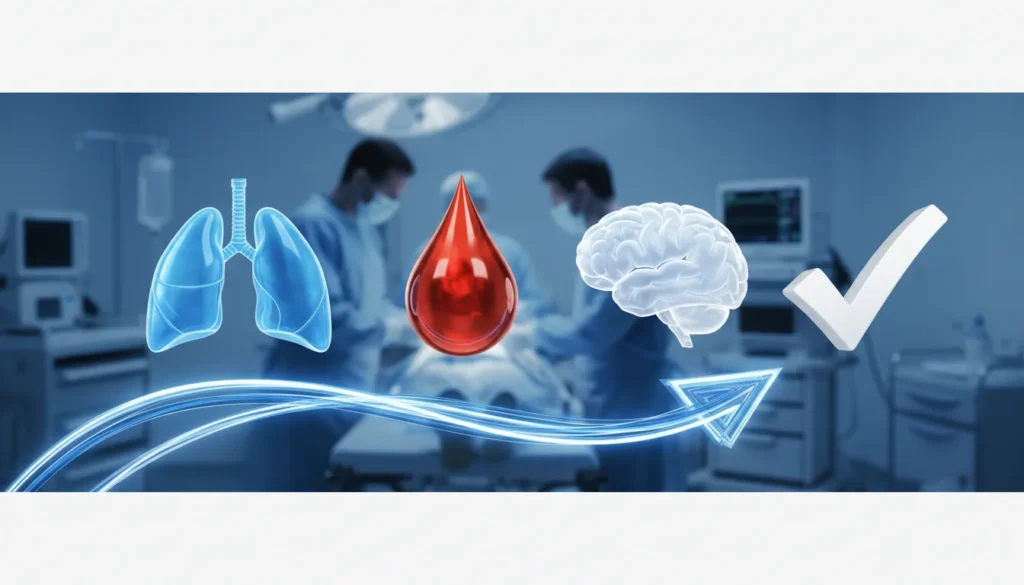
In high-stakes emergencies, every second counts. When a mass casualty incident (MCI) strikes, the ability to rapidly assess and prioritize victims can be the difference between life and death.
That’s where the RPM Assessment comes in.
As a core component of the START (Simple Triage and Rapid Treatment) protocol, RPM provides a lightning-fast, systematic approach to evaluate a patient’s Respiration, Perfusion, and Mental Status. This powerful tool helps first responders, EMS personnel, and healthcare professionals make critical decisions under immense pressure.
In this guide, you’ll learn exactly how to apply the RPM Assessment in Triage, master the 30-2-Can Do mnemonic, and understand its vital role in saving lives during MCIs.
Let’s dive in.
What Is START Triage and Why RPM Matters
When a major accident or disaster hits, chaos is immediate. Resources are scarce, and the patient count is high. This is where the START triage protocol (Simple Triage and Rapid Treatment) becomes the gold standard for Mass Casualty Incident triage. It isn’t about diagnosing every injury; it is about rapidly sorting victims to do the greatest good for the greatest number.
The process begins with “global sorting.” We shout a simple command: “If you can hear my voice and walk, move to this area.” Those who can move are tagged as Minor (Green). Clearing these “walking wounded” immediately declutters the scene, allowing responders to focus on the victims who cannot move.
The Role of RPM in START
For the non-ambulatory patients remaining on the ground, we transition immediately to the RPM Assessment in Triage. We do not perform detailed exams here. Instead, we use a systematic, 30-second check of three critical indicators: Respiration, Perfusion, and Mental Status.
Why this approach works:
- Saves Time: Rapidly identifies who needs immediate care versus who can wait.
- Reduces Chaos: Provides a structured workflow in high-stress environments.
- Prioritizes Life: Focuses on airway, bleeding, and shock management instantly.
- Optimizes Resources: Ensures advanced medical assets aren’t tied up on minor injuries.
By mastering this rapid assessment, we transform a chaotic scene into a managed medical operation, ensuring that MCI patient prioritization is based on physiological reality, not just visual trauma.
Step-by-Step Breakdown of the RPM Assessment
Once we have cleared the “walking wounded” (Minor/Green) from the scene, we immediately focus on the non-ambulatory patients. This is where the RPM Assessment in Triage becomes our primary tool. We evaluate three critical physiological parameters—Respiration, Perfusion, and Mental Status—in a strict order. If a patient fails any one of these checks, we tag them as Immediate (Red) and move on. We do not continue the assessment for that specific patient once a critical failure is identified.
Respiration (R): Airway and Breathing Rate
The first step in the START triage protocol is checking respiratory function. We are looking for the presence of respirations and the rate of breathing.
- Not Breathing: If the patient is not breathing, I manually open their airway using a head-tilt, chin-lift maneuver.
- Still Apneic: If they do not start breathing after the airway is opened, they are tagged Deceased (Black). We stop here.
- Breathing Resumes: If they start breathing once the airway is positioned, they are tagged Immediate (Red). Place them in the recovery position and move to the next victim.
- Spontaneous Breathing: If the patient is breathing on their own, we assess the rate.
- >30 Breaths/Minute: This indicates severe respiratory distress or shock. Tag Immediate (Red).
- <30 Breaths/Minute: If the rate is within a manageable range (typically 10-30), we proceed immediately to the Perfusion check.
Perfusion (P): Circulatory Status Check
If respiration is adequate (under 30), we move to Perfusion assessment EMS standards. This step evaluates the patient’s ability to circulate oxygenated blood. We typically check the radial pulse or capillary refill time triage benchmarks.
- Check Radial Pulse: If the radial pulse is absent, it implies a systolic blood pressure below 80 mmHg, signaling late-stage shock.
- Check Capillary Refill: Press on a nail bed. Color should return in under 2 seconds.
Decision Points:
- No Radial Pulse OR Capillary Refill > 2 Seconds: The patient is not perfusing vital organs. Tag Immediate (Red). Control any visible bleeding and move on.
- Radial Pulse Present AND Capillary Refill < 2 Seconds: The circulatory system is intact enough for now. We proceed to the final step: Mental Status.
Mental Status (M): Neurological Evaluation
The final check determines if the patient’s brain is receiving enough oxygen and if there is significant neurological trauma. This is a quick mental status check emergency responders use to gauge responsiveness.
- The Test: I ask the patient to follow a simple command, such as “Squeeze my hand” or “Hold up three fingers.” We are testing for the ability to process and execute a command, not just orientation.
- Cannot Follow Commands: If the patient is unconscious, confused, or stares blankly, they have an altered mental status. Tag Immediate (Red).
- Can Follow Commands: If the patient passes the respiration (<30), perfusion (<2 seconds), and mental status (“Can Do”) checks, they are stable for the moment. Tag Delayed (Yellow).
By strictly following this flow, we ensure that Immediate red tag criteria are identified instantly, prioritizing life-saving interventions for those who need them most.
RPM Triage Categories: Immediate, Delayed, Minor, Deceased
Once we complete the RPM assessment, patients fall into specific triage categories. These categories guide immediate care and prioritize who needs help first in a mass casualty incident.
Here’s how patients are categorized using START triage protocol results:
- Immediate (Red Tag): These patients failed any single part of the RPM assessment. This means their respiration, perfusion, or mental status is critically compromised. They require urgent, life-saving interventions like airway management or major hemorrhage control.
- Delayed (Yellow Tag): These patients passed all RPM criteria, indicating stable respirations, perfusion, and mental status. They are serious but not immediately life-threatening. They will need medical treatment soon, but after the “Red” patients.
- Minor (Green Tag): These are the ambulatory patients identified at the very beginning of the START triage process. They are the “walking wounded” and can often help themselves or others.
- Deceased/Expectant (Black Tag): These patients are not breathing, even after their airway is opened manually. Sadly, with limited resources, no further immediate treatment is given in the field.
To simplify rapid decision-making, here’s a quick-reference for MCI patient prioritization:
| Triage Category | RPM Status | Priority / Action | LSI Keywords |
|---|---|---|---|
| Red (Immediate) | Respirations: >30/min OR Apneic (after opening airway, then breathes) | Urgent intervention (e.g., airway, bleeding control) | Immediate red tag criteria, MCI patient prioritization |
| Perfusion: Radial pulse absent OR Capillary refill >2 seconds | Perfusion assessment EMS | ||
| Mental Status: Cannot follow commands | Mental status check emergency | ||
| Yellow (Delayed) | Respirations: 10-29/min | Stable, but needs treatment soon | Delayed yellow triage patients, START triage protocol |
| Perfusion: Radial pulse present AND Capillary refill <2 seconds | Capillary refill time triage | ||
| Mental Status: Can follow commands | START triage mnemonic | ||
| Green (Minor) | Ambulatory (Able to walk) | “Walking wounded,” minimal immediate intervention needed | Triage categories red yellow green black |
| Black (Deceased) | Apneic (No breathing) after airway opened initially | No further treatment in the field | First responder triage steps |
Practical Tips for RPM Assessment in Triage
To make the RPM assessment in triage quick and effective in a mass casualty incident, we rely on some practical tips and memory aids. My goal is to ensure responders can make fast, accurate decisions under pressure.
The “30-2-Can Do” Mnemonic for START Triage
The core of rapid START triage protocol is the “30-2-Can Do” mnemonic. This simple phrase guides the entire RPM assessment:
- 30: Check respirations. Is the patient breathing more than 30 breaths per minute? If yes, they are immediate (Red).
- 2: Check perfusion. Does the capillary refill time take longer than 2 seconds, or is there no radial pulse? If yes, they are immediate (Red).
- Can Do: Check mental status. Can the patient follow simple commands? If no, they are immediate (Red).
This START triage mnemonic helps us remember the critical thresholds for classifying patients.
Efficient RPM Triage: Time is Critical
A key objective for first responder triage steps is speed. We aim to complete the entire RPM assessment in under 30-45 seconds per patient. This tight timeframe is essential for rapidly categorizing victims and beginning MCI patient prioritization, especially when resources are scarce.
Avoiding Common Pitfalls in RPM Assessment
Even with clear guidelines, pitfalls can occur:
- Over-assessing: Spending too much time on one patient, delaying the assessment of others. Remember, this is rapid treatment, not definitive diagnosis.
- Missing subtle signs: Overlooking initial signs of distress, especially in the “Can Do” mental status check.
- Delaying categorization: Hesitating to tag a patient immediately after an RPM criterion is failed. Stick to the protocol.
Essential Tools for Field Triage
Having the right tools simplifies the process:
- Triage tags: Physical tags (Red, Yellow, Green, Black) are crucial for marking patients immediately.
- START cards or apps: These provide a quick-reference guide to the START triage protocol and triage categories.
- Gloves and basic PPE: Safety for responders is always paramount.
RPM Assessment: Variations and Special Considerations
While the core RPM assessment principles remain, we often tailor them for specific situations. For pediatric START modifications, we adjust the thresholds because children respond differently to injury. For instance, a child’s respiratory rate might trigger an Immediate (Red) tag if it’s 45 breaths/min, contrasting with the adult >30. Capillary refill in children can also be extended to >3 seconds before flagging as Red.
Pediatric RPM Assessment Snapshot
| Criteria | Adults | Pediatrics | Triage Category |
|---|---|---|---|
| Respirations | >30/min | 45/min | Immediate (Red) |
| Perfusion | Capillary refill >2 sec | Capillary refill >3 sec | Immediate (Red) |
| Mental Status | Cannot follow commands | Cannot follow commands | Immediate (Red) |
Beyond mass casualty incident triage, the RPM framework also proves valuable in everyday emergency settings like the Emergency Department or during single-patient disaster responses. While START triage protocol is widely used, other systems exist, such as SALT triage (Sort, Assess, Life-saving interventions, Treatment/Transport), which incorporates a broader assessment of life-saving interventions. However, the foundational RPM elements are often integrated into these alternative approaches, underscoring their universal importance in MCI patient prioritization.
Why Mastering RPM Assessment Improves Outcomes
Mastering RPM assessment in triage directly translates to saving more lives during mass casualty incidents. Real-world evidence consistently shows that rapid and accurate RPM prioritization reduces mortality rates. When responders quickly classify patients using respiration, perfusion, and mental status, they optimize resource allocation and ensure the most critical cases receive immediate attention. To achieve this proficiency, I strongly recommend consistent training, including simulation drills and hands-on certification courses. At LinkWin, our goal is to empower all responders with clear, actionable knowledge and tools for effective MCI patient prioritization, ensuring they can confidently apply the START triage protocol when it matters most.
FAQs: RPM Assessment in Triage
When it comes to RPM assessment in triage, responders often have common questions. Here are clear answers to help you master this critical skill in mass casualty incident triage.
What Does RPM Stand For in Triage?
RPM is a vital acronym in START triage protocol, standing for:
- Respiration
- Perfusion
- Mental Status
These three criteria form the core of the rapid MCI patient prioritization process.
How Long Should an RPM Assessment Take?
The goal of the RPM assessment is speed and efficiency. You should aim to complete an RPM assessment per patient in under 30-45 seconds. This quick evaluation helps save time and rapidly categorize victims, optimizing initial response efforts.
What if a Patient Fails One RPM Step?
If a patient fails any single criterion during the RPM assessment, they are immediately categorized as Immediate (Red). For example, if their respirations are over 30 per minute, you don’t need to check perfusion or mental status; they are already Immediate red tag criteria. This streamlined approach prevents delays and ensures urgent cases receive priority.
Differences in Adult vs. Pediatric RPM Criteria?
While the core RPM principles remain, pediatric START modifications adjust the thresholds for younger patients. This table highlights the key differences in adult vs. pediatric RPM criteria:
| Criterion | Adult RPM (START) | Pediatric RPM (JumpSTART) |
|---|---|---|
| Respirations | Apneic (after airway) = Black | Apneic (after airway) = Black |
| < 30/min = Proceed | 15-45/min = Proceed | |
| > 30/min = Red | < 15 or > 45/min = Red | |
| Perfusion | No Radial Pulse or CR > 2s = Red | No Radial Pulse or CR > 2s = Red |
| Mental Status | Cannot Follow Commands = Red | Unresponsive/Posturing/Inappropriate = Red |
