
Subtotal ¥0.00
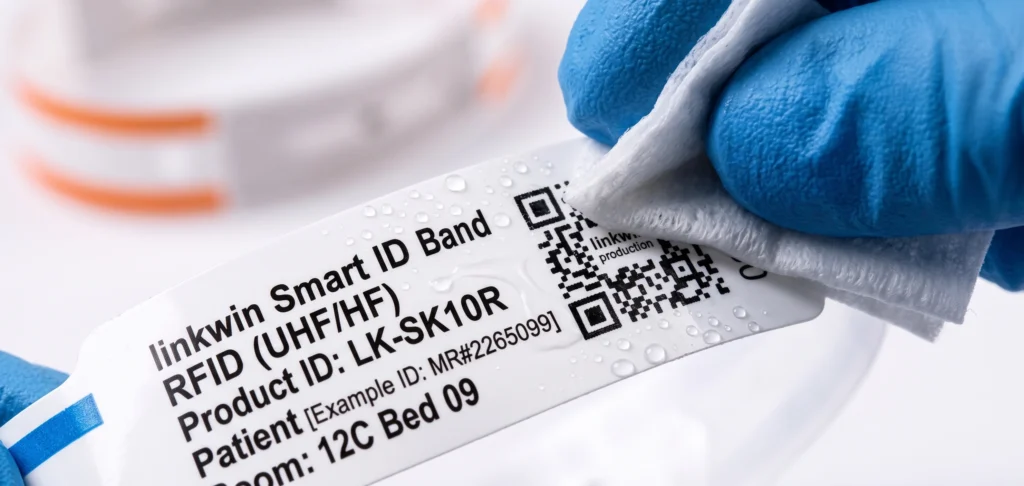
Infection Control Standards for Medical Wristbands guide safe compliant thermal patient ID bands for hospitals and HAI prevention
Cross-Contamination Risks
Patient ID bands are part of daily care, so I treat them as a real infection control touchpoint. Direct skin contact, exposure to fluids, sanitizers, and equipment, and frequent handling can all increase the risk of cross-contamination.
- Skin contact: Bands sit close to the patient for long periods, so material safety matters.
- Environmental exposure: Moisture, cleaning agents, and clinical surfaces can break down low-quality wristbands.
- Frequent handling: Every scan, check, or adjustment adds another touchpoint for pathogen transfer.
For me, infection control standards for medical wristbands start with reducing these risks while supporting reliable patient identification and safer bedside workflow.
Core Infection Control Standards for Medical Wristbands
For infection control standards, I focus on medical wristbands that are safe, durable, and easy to keep clean. The basics are simple:
- Non-toxic, hypoallergenic materials for skin safety
- Moisture and fluid resistance to help limit buildup and breakdown
- Antimicrobial properties to support cleaner patient ID use
- Sterilization compatibility for clinical environments that need strict hygiene
In the U.S. market, I look for patient identification bands that hold up under real hospital use without adding extra risk. A good infection control compliant wristband should stay intact, stay readable, and support cross-contamination prevention in daily care settings.
Common Hygiene Challenges with Traditional Wristbands
Traditional patient ID bands can create avoidable infection control issues in busy U.S. hospitals and clinics. I see three common problems:
- Laser and inkjet printing pitfalls: printed areas can smudge, fade, or break down after repeated cleaning.
- Porous materials: bands that absorb moisture can hold fluids, sweat, and residue, which hurts infection prevention protocols.
- Sharp edges and skin tears: rough finishes or stiff closures can irritate skin and increase contamination risk.
For infection control standards for medical wristbands, I focus on smooth, non-porous, skin-safe materials that support cleaner handling and better patient safety identification.
Best Practices for Procuring Compliant Wristbands
When I source infection control standards for medical wristbands, I keep the focus on three things: a clean surface, dependable print quality, and a closure that holds up in real clinical use.
Prioritize smooth, non-porous surfaces
I look for non-porous wristbands that resist moisture buildup, help with cross-contamination prevention, and are easier to keep clean in busy care settings.Opt for advanced printing technology
I prefer thermal medical wristbands and other direct thermal printing technology options because they support smudge-resistant printing, strong barcode durability, and less rehandling at the bedside.Evaluate closure mechanisms
I check for tamper-evident closures that stay secure, support patient identification bands, and reduce the risk of breakdown during daily wear.
| What I check | Why it matters |
|---|---|
| Smooth surface | Helps limit fluid retention and buildup |
| Print method | Supports barcode scanning reliability |
| Closure design | Improves security and patient safety identification |
For me, compliant wristbands are the ones that support hospital infection control without adding extra handling or cleanup steps.
Why Thermal Wristbands Are the Gold Standard for Infection Control
Thermal wristbands fit infection control standards for medical wristbands because they skip ink and toner entirely. That means fewer messes, less smudging, and a cleaner labeling process in busy U.S. hospitals and clinics.
- No ink, no toner: cleaner printing with less residue
- Durable in harsh environments: better hold up around fluids, sanitizers, and daily wear
- High-resolution barcodes: clearer scans with less rehandling at the bedside
For me, that makes thermal medical wristbands a strong choice for patient identification bands where hygiene, barcode durability, and cross-contamination prevention all matter.
How Thermal Wristbands Support Hospital Hygiene
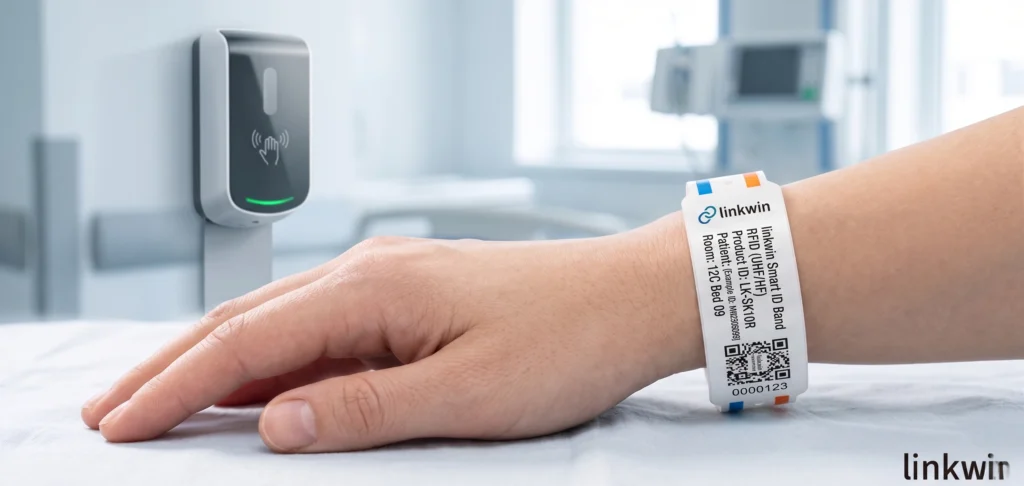
Thermal wristbands help me keep hospital hygiene tighter because they use a cleaner printing workflow with no ink or toner mess. That means fewer smears, less waste, and a simpler setup for patient identification bands in busy U.S. care settings.
Why Thermal Medical Wristbands Work Better
- Longer-lasting patient identification for day-to-day use
- Reduced touchpoints for staff, which helps limit cross-contamination
- Smudge-resistant printing that supports faster barcode scans
- A more practical fit for infection control standards and patient safety identification
For me, the big win is simple: less handling, cleaner labels, and more reliable thermal medical wristbands for hospital infection control and barcode durability.
Infection Control Standards for Medical Wristbands
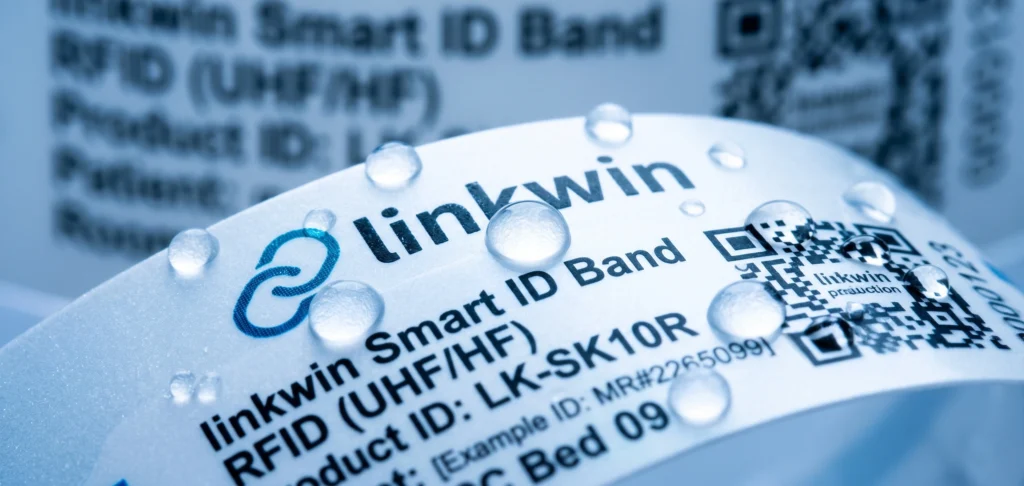
When I check infection control standards for medical wristbands, I focus on four basics: FDA and international material standards, alignment with CDC, WHO, and Joint Commission patient safety guidance, proof of disinfectant and sterilization testing, and strong barcode readability and durability. For U.S. healthcare buyers, that means the wristband has to hold up in real clinical use, stay clear after cleaning, and support patient ID compliance without creating extra handling risks.
Compliance Checklist
- Medical grade materials that support patient safety
- Cross-contamination prevention through fluid resistance and stable surfaces
- Infection prevention protocols backed by testing
- Barcode scanning reliability after exposure to routine disinfectants
- Durable identification that stays readable through daily wear
What I verify
| Requirement | Why it matters |
|---|---|
| FDA and material standards | Helps confirm safe use on patients |
| CDC, WHO, Joint Commission alignment | Supports healthcare compliance guidelines |
| Disinfectant testing | Checks resistance to cleaning products |
| Barcode durability | Protects scan accuracy and patient identification |
Infection Control Features in Medical Wristbands
For infection control standards for medical wristbands, I focus on features that help reduce cross-contamination and hold up in daily hospital use.
| Feature | Why It Matters |
|---|---|
| Hypoallergenic materials | Helps support skin safety for sensitive patients |
| Fluid-resistant surfaces | Limits moisture absorption and cleanup issues |
| Antimicrobial coatings | Adds another layer of infection control support |
| Tamper-evident closures | Helps keep patient ID secure |
| Smudge-resistant printing | Keeps barcode scanning and patient identification clear |
What I look for
- Skin-safe, hypoallergenic medical bracelets
- Non-porous, fluid-resistant patient bands
- Antimicrobial wristbands for cleaner handling
- Tamper-evident closures for patient ID compliance
- Smudge-resistant printing for better barcode readability
These infection prevention features support hospital infection control, better barcode scanning reliability, and stronger patient safety identification without adding extra handling.
Procurement Checklist for Safe Wristband Selection
When I buy medical wristbands for infection control, I keep the checklist simple and strict. The goal is to lower cross-contamination risk, protect skin, and keep patient ID clear through the full stay.
Match Band Type to Clinical Use
- Pick the right patient identification bands for the unit and workflow
- Use thermal medical wristbands where clean handling and durable printing matter most
- Make sure the band fits the care setting, from routine admission to higher-risk areas
Verify Cleaning and Chemical Resistance
- Check resistance to common disinfectants and hospital cleaning agents
- Look for fluid-resistant patient bands that hold up in daily use
- Avoid materials that break down, absorb moisture, or lose legibility
Review Comfort and Skin Safety
- Choose hypoallergenic medical bracelets made with medical grade materials
- Favor smooth, non-porous wristbands with no sharp edges
- Make sure the band stays secure without irritating sensitive skin
Test Barcode Scan Performance
- Confirm barcode scanning reliability before rollout
- Check that print stays clear, smudge-resistant, and easy to scan
- Use bands that support fast bedside ID checks with fewer handling steps
Confirm Supplier Compliance Documentation
- Ask for proof of healthcare compliance guidelines and material testing
- Review alignment with infection prevention protocols and patient safety needs
- Keep documentation for cleaning resistance, barcode durability, and patient ID compliance on file
Reduce HAI Risk with Better Wristband Choices
I focus on infection control standards for medical wristbands by choosing bands that help lower HAI risk at the bedside. The goal is simple: keep handling low, keep moisture out, and keep the band intact.
- Limit rehandling to cut cross-contamination risk
- Prevent moisture buildup with fluid-resistant, non-porous materials
- Avoid material breakdown so the band stays readable and secure over time
- Support accurate patient identification with clear, durable barcode performance
For U.S. healthcare settings, this means fewer touchpoints, better hygiene, and more reliable patient ID bands throughout the stay.
Medical Wristband FAQs
Infection Control Standards for Medical Wristbands
- Infection control compliant means the wristband is made from medical grade materials, has a smooth, non-porous, fluid-resistant surface, and supports clean handling with less cross-contamination risk.
- Thermal wristbands are usually better for hygiene because they use no ink, no toner, and help reduce mess in busy hospital workflows.
- For sensitive skin, I look for hypoallergenic medical bracelets with soft, skin-safe materials and no sharp edges.
- Replacement timing depends on wear, moisture, and condition, but I treat any band that is damaged, smudged, or hard to read as a replace-now item.
- Wristbands can affect barcode scanning reliability if the print fades, smears, or the surface breaks down over time. Durable, smudge-resistant printing helps keep scanning accurate.
