
Subtotal ¥0.00
Learn pediatric wristband design for safer infant ID standards materials closure thermal printing and hospital compliance
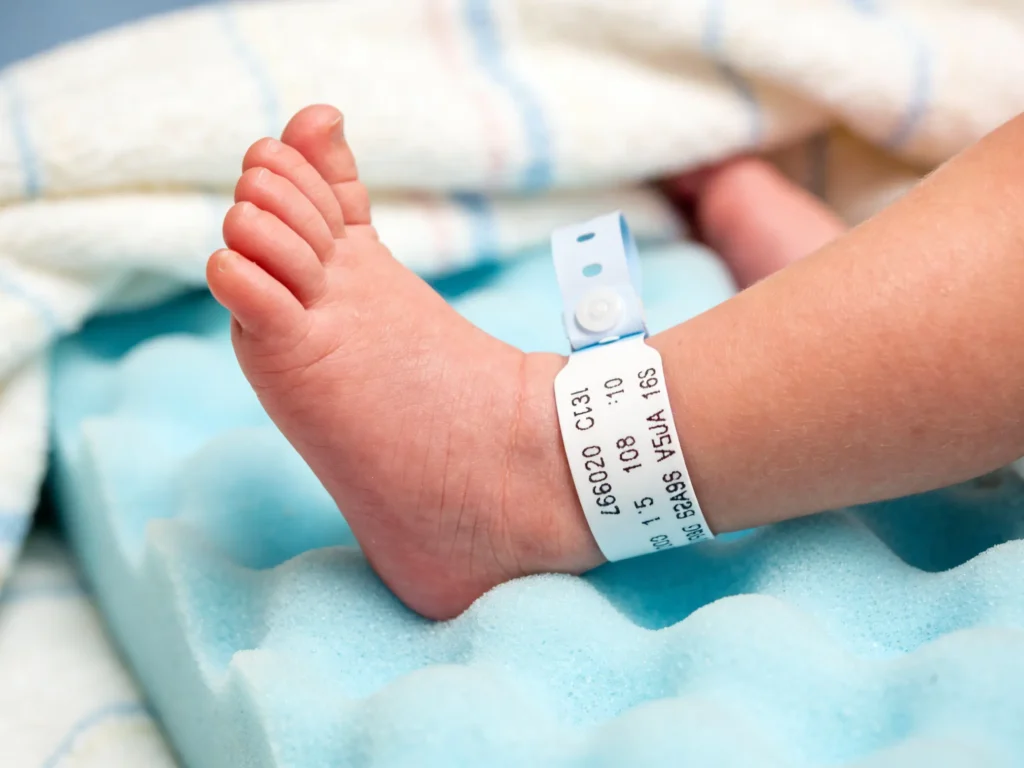
Have you ever watched a standard hospital ID band slip right off a squirming toddler? Or worse, seen it chafe the fragile skin of a premature newborn? As healthcare professionals, we know that tiny patients present massive identification challenges. Standard adult bands simply do not work. We need highly specialized pediatric wristbands that prioritize clinical safety, anatomical comfort, and absolute compliance.
Why Pediatric Patients Require Specialized Wristbands
Infants and children are not just miniature adults. Their anatomical, physiological, and behavioral realities demand adjustable infant ID bands engineered specifically for their unique care environments.
- The Anatomical Challenge: Neonatal skin is incredibly delicate and prone to tearing. A rigid, standard hospital band can quickly cause severe friction or pressure injuries on a premature infant. We require soft, hypoallergenic materials.
- Rapid Physiological Changes: Babies in the NICU experience sudden weight fluctuations and edema. Care teams need NICU infant hospital bracelets that adapt seamlessly to sudden changes in fluid retention without requiring constant, disruptive band replacements.
- The “Squirm” Factor: Active children pull, twist, and frequently chew on their bands. If a bracelet cannot withstand constant physical stress, it becomes a severe choking hazard or falls off, completely breaking the chain of identification.
Neonatal Patient Safety Protocols and Compliance
When evaluating Wristband Design for Pediatric Patients: Special Considerations and Safety Standards, regulatory compliance is non-negotiable. A lost or illegible band directly risks catastrophic medication errors. We must lock down our identification workflows.
| Core Safety Standard | Clinical Application | Primary Goal |
|---|---|---|
| Pediatric Positive Patient Identification (PPID) | Strict bedside scanning prior to all medication administration. | Guarantees the “Five Rights” of medication safety to prevent adverse drug events. |
| Joint Commission Patient ID Standards | Alignment of hospital protocols with national patient safety goals. | Ensures zero ambiguity in patient identity across all hospital departments. |
| Mother-Infant Matching | Multi-band linking systems deployed instantly in Labor & Delivery. | Secures the undeniable physical link between parents and newborns from birth to discharge. |
We cannot afford to compromise on secure mother-infant matching tags. Deploying a rigid, multi-point verification protocol ensures that the right baby always stays with the right parents and receives the exact right clinical care. Delivering safe pediatric care starts entirely with an unbreakable, verifiable identity at the bedside.
Critical Design Considerations for Pediatric Wristbands
When we design identification solutions for our smallest patients, standard adult bands just don’t cut it. We have to rethink everything from the ground up, focusing intensely on two non-negotiable areas: material safety and security.
Material Safety: Protecting Delicate Skin
The skin of a neonate or young child is incredibly fragile. We prioritize hypoallergenic baby wristbands that are completely free from common irritants.
- Latex-Free & Phthalate-Free: We ensure our bands eliminate the risk of allergic reactions or chemical exposure, which is critical for long-term NICU stays.
- Antimicrobial Properties: Given that hospitals are fighting constant battles against infection, using antimicrobial pediatric bracelets adds a necessary layer of defense.
- Soft Edges: Sharp plastic edges can cause micro-abrasions on thin skin. Our designs feature rounded, soft contours to prevent any skin breakdown or discomfort.
Security and Closure Mechanisms
Kids are active, and babies are surprisingly strong when they wiggle. A wristband that falls off is a major safety failure.
- Tamper-Evident Slits: We use closure systems that show visible evidence if someone tries to remove or swap the band. This ensures the integrity of the patient’s ID remains intact.
- Adjustable Designs: Adjustable infant ID bands are essential. Whether dealing with edema (swelling) or weight loss in newborns, the band must be able to resize securely without needing to be cut off and replaced constantly. This flexibility prevents the band from becoming a tourniquet or slipping off entirely.
The Superiority of Thermal Printing for Pediatric Identification
When we manufacture pediatric wristbands, we know the printing method is just as critical as the band itself. We exclusively produce direct thermal hospital bands because they deliver unmatched reliability for fast-paced pediatric wards.
Healthcare Barcode Scannability
- Flawless Scans Every Time: We engineer our bands to hold ultra-crisp, high-contrast 2D and linear barcodes that will not fade or smudge.
- Maximized Safety: Immediate, accurate scanning is non-negotiable for strict pediatric bedside medication verification. Our thermal prints ensure nurses get a successful, accurate read on the very first try.
Durability Without Laminates
- No Scratchy Overlays: Stiff plastic laminates can easily scratch a child’s delicate skin. We completely eliminated them from our wristband design for pediatric patients.
- Built to Last: Our direct thermal printing naturally resists water, harsh hand sanitizers, and daily wear-and-tear while keeping the band soft and flexible.
Hospital Admission IT Integration
- Seamless Workflow: We designed our thermal drop-in rolls to plug effortlessly into your existing tech stack.
- Zero Hassle: Rapid hospital admission IT integration means your staff spends less time loading printers and more time focused on patient care.
Pediatric Wristbands: Protocol Implementation
To ensure child safety and reliable pediatric positive patient identification, having the right product isn’t enough. We always advise our healthcare partners that strict, daily operational routines are the key to successfully maintaining joint commission patient ID standards.
Core Best Practices
- Staff Training: Educating your nursing staff on the correct application of adjustable infant ID bands is critical. Placement must ensure the band is comfortable for the child while keeping the barcode easily accessible for fast pediatric bedside medication verification.
- Color-Coding Cautions: Standardized alert colors are helpful, but they must be chosen carefully. Poorly planned background colors can severely block healthcare barcode scannability. Always prioritize a high-contrast print area to ensure scanners work flawlessly.
- Regular Auditing: We highly recommend building wristband checks into your routine shift handoffs. Nurses need to actively verify that the tamper-evident hospital ID remains fully intact, completely legible, and isn’t irritating the patient’s skin.
