
Subtotal ¥0.00
Explore smart wristband IoT in Medical IoT for real-time patient monitoring with AI sensors Bluetooth connectivity and continuous vital tracking.
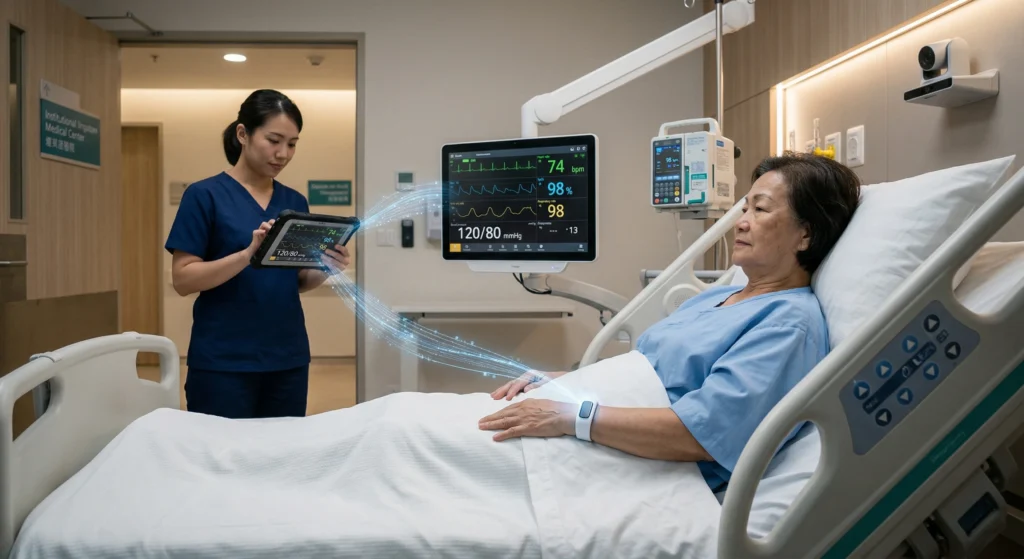
The Evolution of Patient Monitoring: From Wired Systems to IoMT-Enabled Wristbands
Patient monitoring has come a long way from the traditional wired systems that once dominated hospitals. Conventional monitoring methods relied heavily on bulky cables and intermittent manual checks, which often limited continuous observation. Nurses faced heavy workloads juggling frequent vital sign assessments alongside other critical duties, increasing the risk of delayed interventions.
The landscape began shifting with the rise of wearable IoT in healthcare. Key factors driving this change include aging populations needing constant supervision, the growing prevalence of chronic diseases like diabetes and cardiovascular conditions, and a post-pandemic surge in demand for remote care solutions. These challenges have accelerated adoption of smart wristbands as part of the Internet of Medical Things (IoMT), enabling continuous health monitoring wearables that track real-time vital signs such as heart rate, SpO2, and temperature without restricting patient mobility.
Smart wristbands offer a powerful link between hospital and home, supporting seamless transitions in care. They allow clinicians to extend monitoring beyond the hospital walls, maintaining accurate, wireless patient tracking systems that connect with cloud-based patient data analytics. This continuity improves patient safety, reduces readmission risks, and empowers patients to participate actively in their health management. As a result, these next-generation remote healthcare monitoring devices are redefining how we manage patient care across diverse settings.
Core Technologies Powering Smart Medical Wristbands
Smart wristbands in medical IoT rely on a mix of advanced technologies to deliver accurate, continuous health monitoring wearables that work both in hospitals and at home.
Sensor Suite
These devices typically include PPG sensors to track heart rate and SpO2 levels, temperature sensors to monitor body heat, and accelerometers for activity tracking and fall detection. Some models go further with optional ECG or blood pressure modules for deeper insights into heart health.
Connectivity Options
Reliable data transmission is key, so smart wristbands use Bluetooth Low Energy (BLE), Wi-Fi, cellular, or a hybrid of these. This ensures a steady stream of real-time vital signs tracking whether the patient is in hospital or remotely monitored.
IoMT Ecosystem Integration
These wristbands connect seamlessly to broader IoMT wearable devices networks through edge processing and cloud platforms. They also sync with electronic health records (EHR) systems, making data easily accessible for clinicians and enabling effective remote patient monitoring wristband programs.
Power Management and Durability
To support continuous health monitoring wearables, smart wristbands are built with long battery life, often lasting several days. They are waterproof and use skin-friendly, comfortable materials for all-day, extended wear — crucial for patient adherence and comfort.
Together, these technologies make smart medical bracelet IoT solutions practical and reliable for chronic disease management wearables and a variety of healthcare settings.
Key Applications of Smart Wristbands in Healthcare
Smart wristbands in medical IoT are changing healthcare across multiple settings. Here’s how they make a difference:
In-Hospital Use
Hospitals use these Bluetooth-enabled patient wristbands for real-time patient identification and location tracking. They also help monitor medication adherence with timely alerts, all visible on centralized dashboards, improving safety and workflow.
Remote Patient Monitoring (RPM)
For chronic diseases like cardiovascular issues, respiratory conditions, and diabetes, remote patient monitoring wristbands track vital signs continuously. This real-time data helps doctors adjust treatments promptly without the patient needing frequent visits.
Post-Discharge & Elderly Care
After leaving the hospital, smart wristbands support fall detection and geofencing. They send proactive alerts to caregivers or clinicians if something seems off, boosting safety for seniors and vulnerable patients at home.
Specialized Scenarios
These smart medical bracelets IoT play a vital role in quarantine or infectious disease management, monitoring high-risk patients securely. They also assist post-surgical recovery by tracking key health parameters and alerting medical staff instantly.
Smart wristbands are truly versatile tools, essential for today’s continuous health monitoring wearables ecosystem, bringing efficiency and peace of mind to both providers and patients.
Benefits and Transformative Impact on Patient Outcomes
Smart wristbands in medical IoT bring real benefits for patients, providers, and healthcare systems worldwide. Here’s a clear look at how these devices change the game:
| Benefit Area | Details | Keywords included |
|---|---|---|
| Clinical Advantages | – Continuous health monitoring wearables offer real-time vital signs tracking. – Early alerts enable earlier intervention. – Reduce adverse events with ongoing data. – Personalized treatment adjustments improve patient care. | smart wristbands IoT, continuous health monitoring wearables, remote patient monitoring wristband |
| Operational Efficiencies | – Lower staffing burdens as fewer in-person checks are needed. – Optimize resource allocation with real-time data. – Use AI-powered analytics for data-driven insights. – Streamline hospital patient identification and monitoring. | AI-powered health wristband, hospital patient identification and monitoring |
| Patient-Centric Gains | – Greater mobility and comfort thanks to lightweight design. – Patients feel empowered through self-monitoring. – Families gain peace of mind via alerts and remote updates. – Seamless care between hospital and home environments. | Bluetooth-enabled patient wristband, elderly care IoT wristband, smart medical bracelet IoT |
| Economic Value | – Cost savings from fewer hospital readmissions. – More efficient workflow reduces overhead. – Supports chronic disease management wearables to cut long-term costs. – Improves overall healthcare delivery efficiency. | chronic disease management wearables, FDA-compliant medical wearables, next-gen remote healthcare monitoring |
In short, smart wristbands combined with IoMT systems lead to better patient outcomes, smarter operations, and lower costs—helping healthcare providers everywhere meet rising demands with confidence and care.
Challenges and Considerations for Successful Deployment
Deploying smart wristbands in medical IoT comes with some real challenges we can’t ignore.
Data security and privacy are top priorities. Since these IoMT wearable devices handle sensitive patient info, meeting regulations like HIPAA in the US or GDPR in Europe is a must. Strong encryption and secure networks keep data safe from breaches.
Accuracy and reliability matter a lot. False alarms from wearable sensors can cause unnecessary panic and extra workload. That’s why clinical validation of these devices is key before rolling them out broadly.
User adoption also plays a big role. The wristband has to be comfortable, offer long battery life, and work seamlessly with hospital systems. If patients or staff find it awkward or it interrupts workflows, adoption will be low.
Finally, regulatory approval and standardization need close attention. Smart medical bracelet IoT devices must comply with medical-grade standards and pass regulatory inspections to ensure safety and trust.
Balancing these factors is crucial for successful and effective use of remote patient monitoring wristbands across hospitals and home care worldwide.
Future Trends: AI, Predictive Analytics, and Beyond
The future of smart wristbands in medical IoT is exciting, especially with AI and predictive analytics playing a bigger role. Machine learning helps spot unusual patterns early—like changes in heart rate or stress levels—so patients get alerts before problems escalate. This proactive approach means better, faster care.
We’re also seeing smart medical wristbands getting smarter and smaller thanks to 5G and edge computing. These tech advances enable real-time data processing right on the device, reducing delays and keeping connections strong, whether patients are at home or in the hospital. Plus, new materials make these devices lighter, more comfortable, and longer-lasting.
Beyond individual monitoring, these smart wristbands are expanding into population health management. This means tracking health trends across communities to help prevent diseases rather than just reacting when people get sick. Preventive care models powered by continuous health monitoring wearables offer huge potential to reduce costs and improve public health.
Emerging innovations include multi-parameter sensing, where a single band can track heart rate, SpO2, temperature, and movement all at once. Energy harvesting technologies are also on the rise, allowing bands to recharge using body heat or motion—cutting down on battery worries. Looking ahead, some smart wristbands will even offer fully integrated therapeutic feedback, delivering treatments or medication reminders right from the wrist.
In sum, AI-powered health wristbands are not just about tracking—they’re about transforming patient care through smarter, more connected, and highly personalized monitoring within the IoMT wearable devices ecosystem.
Choosing the Right Smart Wristband Solution for Your Needs
Picking the right smart wristband for medical IoT isn’t just about cool tech—it’s about practical, reliable healthcare tools that fit your needs and budget. Here’s what to keep in mind:
- Sensor Accuracy: Make sure the wristband reliably tracks vital signs like heart rate, SpO2, and temperature. Accurate data means better monitoring and faster interventions.
- Scalability: Your solution should grow with your needs, whether for a small clinic or a large hospital network. Look for devices that easily integrate into existing IoMT wearable ecosystems.
- Integration Ease: Seamless connection with electronic health records (EHR) and cloud-based patient data analytics platforms is key to smooth workflows.
- Total Cost of Ownership: Factor in not just purchase price but also maintenance, battery life, updates, and support.
Specialized Options: Thermal and Custom Medical Wristbands
Companies like LinkWin stand out by offering thermal wristbands and customizable smart medical bracelets designed for continuous health monitoring wearables. Their Bluetooth-enabled patient wristbands focus on reliable performance in both hospital settings and remote patient monitoring wristband scenarios.
Best Practices & Real-World Insights
- Start with pilot programs to test sensor accuracy and user comfort.
- Train staff to reduce false alarms and ensure proper device use.
- Choose FDA-compliant medical wearables to meet regulatory standards.
- Monitor user feedback for ongoing improvements.
Following these points will help you successfully deploy next-gen remote healthcare monitoring solutions that truly benefit patients and providers alike.
