
Subtotal ¥0.00
Discover how integrating wearable medical devices with patient wristbands enhances safety, real-time monitoring, and hospital efficiency through smart IoT solutions.
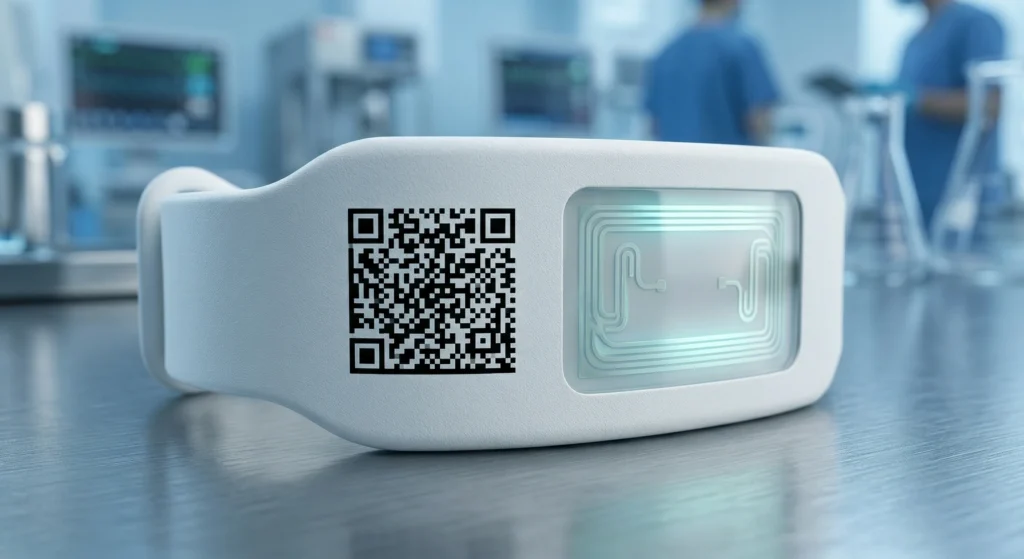
If your hospital still relies on traditional patient wristbands alone, you might be missing out on a game-changing upgrade. Integrating wearable medical devices with patient wristbands is transforming inpatient care—from simple ID bands to smart systems that track vital signs in real time and enhance patient safety. This shift empowers clinicians with instant, accurate data and slashes the risk of errors. In this post, you’ll discover how cutting-edge technologies like RFID, Bluetooth, and NFC work together to create connected, intelligent wristbands—plus practical insights on implementing these solutions in busy hospital settings. Ready to boost patient safety, streamline workflows, and future-proof your facility? Let’s dive in.
The Evolution of Patient Wristbands in Healthcare
Patient wristbands have been a cornerstone of hospital safety for decades. Traditionally, these bands serve crucial roles such as accurate patient identification, allergy alerts, medication verification, and ensuring compliance with safety standards. They help healthcare teams confirm a patient’s identity, reducing the risk of medical errors and supporting effective care delivery.
However, conventional hospital wristbands face limitations in today’s fast-paced clinical environments. Standard bands often lack real-time data capabilities, making it difficult to track patient status dynamically. They are also prone to wear and tear, damage, or even tampering, which can compromise both safety and information integrity.
To overcome these challenges, there has been a clear shift towards advanced materials and printing technologies. Thermal hospital wristbands, for example, allow on-demand customization with durable, clear printing that resists fading or smudging. More importantly, these bands provide a reliable platform for embedding digital technologies like RFID and NFC chips. This evolution supports seamless integration with real-time patient monitoring systems and electronic health records (EHR), marking a significant step forward in smart hospital wristbands that enhance patient safety and clinical efficiency.
Understanding Wearable Medical Devices in Clinical Settings
Wearable medical devices play a crucial role in today’s hospitals, going beyond simple fitness trackers. These devices include vital signs monitors, smart wristbands, ECG-enabled patches, glucose sensors, and multi-parameter wearable wristbands. Each is designed to gather real-time health data that helps clinicians make faster, more informed decisions.
The core capabilities of these devices are impressive. They continuously track heart rate, blood oxygen levels, body temperature, and activity levels. This continuous monitoring helps detect early signs of patient deterioration, which can be lifesaving in busy clinical environments. Unlike traditional devices, these wearables provide uninterrupted data flow, making them invaluable for inpatient care and remote patient monitoring integration.
There’s a clear shift from consumer-grade fitness bands to medical-grade devices that meet hospital standards. These advanced wearables are specifically tailored for inpatient and transitional care settings. They connect seamlessly to hospital systems, enabling real-time patient monitoring systems and facilitating smooth wearable devices EHR integration. This evolution supports not just improved patient safety but also better workflow for healthcare providers.
Why Integrate Wearables with Patient Wristbands? Key Benefits
Integrating wearable medical devices with patient wristbands brings clear advantages in hospital settings. Here’s why this combination matters:
| Benefit | Details | Related Keywords |
|---|---|---|
| Enhanced Patient Safety | Unique patient ID + biometric checks reduce wrong-patient errors. | smart hospital wristbands, RFID patient bands |
| Real-Time Data Sync | Live vital signs feed allows quicker clinical decisions, cutting down adverse events. | continuous vital signs monitoring wristband, real-time patient monitoring systems |
| Workflow Efficiency | Automated alerts, location tracking, and smooth medication updates help nurses and doctors work smarter. | Bluetooth-enabled patient bands, IoT patient wristbands |
| Continuity of Care | Consistent tracking during admission, transfer, and discharge supports value-based care. | wearable devices EHR integration, remote patient monitoring integration |
| Cost Savings | Cuts down manual checks, lowers readmissions, and optimizes resource use. | hospital patient safety technology, reducing medical errors with wearables |
This integration not only boosts patient safety but also streamlines daily hospital operations. The wristband acts as a hub—tying ID, monitoring, and data syncing into one reliable tool. For global healthcare facilities, especially those striving for efficient and safe patient care, this tech blend is a game changer.
Technical Approaches to Integration of Wearable Medical Devices with Patient Wristbands
Integrating wearable medical devices with patient wristbands involves smart use of identification technologies, connectivity options, and durable materials to ensure smooth, real-time data handling and patient safety.
Identification Technologies: RFID and NFC
- RFID (Radio Frequency Identification) and NFC (Near Field Communication) chips are embedded in wristbands.
- Enable contactless data exchange for quick patient identification.
- Link directly to EHR (Electronic Health Records), improving accuracy and reducing errors.
- Used in RFID patient identification bands and NFC medical wristbands for seamless hospital workflow.
Connectivity Protocols: Secure Data Transmission
| Protocol | Use Case | Benefit |
|---|---|---|
| Bluetooth Low Energy (BLE) | Connects wearable sensors to hospital network | Low power, continuous monitoring |
| Wi-Fi | Larger data transfers, multiple devices | Faster, stable connection |
| Hybrid Systems | Combines BLE & Wi-Fi for flexibility | Balances range and speed |
These protocols ensure real-time patient monitoring systems transmit data securely and reliably.
Data Flow Architecture
Data moves through layers for maximum efficiency:
- Wristband sensors capture vitals.
- Data transfers to middleware platforms managing device inputs.
- Integration with EHR/EMR systems updates patient records instantly.
- Results get displayed on clinical dashboards for easy access by staff.
This streamlined path supports wearable devices EHR integration and faster clinical decisions.
Thermal Wristbands as a Printable Platform
- Thermal hospital wristbands provide a robust base for embedding RFID/NFC chips.
- Durable and resistant to damage or tampering in hospital environments.
- Supports on-demand printing and encoding for quick updates.
- Often antimicrobial, improving infection control.
Hybrid Solutions: Dual-Purpose Smart Wristbands
Many modern smart hospital wristbands combine identification and monitoring:
- Built-in sensors track continuous vital signs like heart rate and SpO2.
- Embedded chips handle patient ID and location tracking.
- Examples include multi-parameter wearable wristbands that deliver alerts and reduce medical errors with wearables.
Table: Integration Elements
| Feature | Description | Benefits |
|---|---|---|
| RFID/NFC Identification | Contactless data linked to EHR | Faster, accurate patient ID |
| BLE/Wi-Fi Connectivity | Secure wireless data transmission | Real-time, reliable monitoring |
| Data Flow Architecture | Sensors → Middleware → EHR → Dashboard | Smooth clinical workflow |
| Thermal Wristbands | Durable, printable with chips | Reliable, infection-controlled |
| Hybrid Smart Wristbands | ID + vital monitoring in one device | Enhanced safety and efficiency |
Using these technical approaches helps healthcare deliver safer, faster, and smarter patient care through wearable medical devices and IoT patient wristbands.
Implementation Challenges and Solutions for Wearable Medical Devices Integration
Integrating wearable medical devices with patient wristbands comes with several challenges that healthcare facilities need to tackle for smooth adoption.
Data Accuracy, Privacy, and Security
- Ensuring the data collected by smart hospital wristbands is accurate is vital to avoid wrong clinical decisions.
- Protecting patient information is a must, complying with HIPAA, GDPR, and other privacy regulations.
- Hospitals must safeguard against cyber threats and unauthorized access by using secure data transmission methods within wearable devices EHR integration.
Interoperability and Staff Adoption
- Many hospitals face difficulties connecting new IoT patient wristbands and Bluetooth enabled patient bands with existing IT systems and EHRs.
- Clinicians and nurses may resist new tech if it complicates workflows or requires extensive training.
Device Durability and Patient Comfort
- Antimicrobial patient identification wristbands need to withstand daily wear and frequent cleaning without damage.
- Wristbands must be comfortable for long-term use, especially in busy wards with active patients.
- Infection control standards must be maintained to prevent harm.
Regulatory and Reimbursement Issues
- Meeting medical device regulations and securing reimbursement for integrated remote patient monitoring integration solutions can be complex.
- Compliance documentation and clear value demonstration to payers are necessary.
Practical Solutions to Overcome Challenges
- Start with pilot programs to identify potential issues before full deployment.
- Provide thorough staff training focused on ease of use and benefits of continuous vital signs monitoring wristband systems.
- Develop standardized protocols for device handling, data management, and patient safety.
- Partner with manufacturers who specialize in durable, thermal hospital wristbands and offer ongoing support.
By addressing these challenges head-on, hospitals can successfully implement smart patient wristband technology, improving patient safety and care quality.
Case Studies and Real-World Applications of Integration of Wearable Medical Devices with Patient Wristbands
Many hospitals worldwide have successfully adopted integrated wearable medical devices with patient wristbands to improve care quality and safety. These smart hospital wristbands continuously monitor vital signs in general wards and specialized units such as cardiology or post-surgical care, enabling clinical teams to react swiftly when patients show signs of deterioration.
Proven Benefits in Practice
- Faster Response Times: Continuous vital signs monitoring wristbands alert staff immediately if a patient’s condition worsens. This drastically cuts down response times, reducing complications and improving outcomes.
- Improved Patient Identification: Combining RFID patient identification bands with physiological data helps minimize errors in medication and treatment, enhancing patient safety.
- Enhanced Location Tracking: Some hospitals use Bluetooth-enabled patient bands that also track patient movement within the facility. This supports better workflow and prevents mix-ups during transfers between departments.
Real-World Examples
- At a leading cardiology center, integrating multi-parameter wearable wristbands with electronic health records (EHR) cut the time taken to detect arrhythmias by 30%, thanks to real-time alerts.
- A post-surgical ward implemented thermal hospital wristbands with embedded NFC chips for seamless patient ID and remote monitoring, improving handoff accuracy during shifts.
- In several hospitals, IoT patient wristbands combine continuous monitoring with location data, reducing missed alarms and allowing better coordination during emergencies.
These case studies show how integrating wearable medical devices with patient wristbands leads to safer, more efficient hospital care worldwide—helping medical teams act faster and reduce medical errors with wearables.
Future Trends in Smart Patient Wristband Technology
Smart hospital wristbands are evolving fast, with multi-sensor integration becoming the new standard. These wristbands will track more vital signs, combining heart rate, blood oxygen, temperature, and activity data all in one device. AI-driven analytics will power predictive alerts, helping clinicians spot patient deterioration before it becomes critical.
With 5G-enabled connectivity, real-time patient monitoring systems will be faster and more reliable. This means remote patient monitoring integration improves, allowing care teams to respond quickly, whether patients are in the hospital or transitioning to home care.
We’re also seeing the rise of fully intelligent IoT patient wristbands. These smart bands blend identification, monitoring, and communication features into a single, comfortable form factor. This fusion supports not just patient safety but continuous data flow into wearable devices EHR integration, making care coordination smoother than ever.
Personalized medicine will benefit greatly from these advancements. Longitudinal data collected by multi-parameter wearable wristbands supports tailored treatment plans, improving outcomes and patient experience across different care stages.
Sustainability is a growing focus, too. Antimicrobial patient identification wristbands made from eco-friendly materials offer durability and infection control without compromising on comfort. Thermal hospital wristbands are evolving with these material innovations, ensuring they remain reliable while reducing environmental impact.
In :
- More sensors for comprehensive data collection
- AI-powered predictive alerts for early intervention
- 5G and IoT for seamless, real-time communication
- Personalized care through smart data insights
- Eco-friendly, antimicrobial thermal wristband materials
These future trends are setting the stage for smarter, safer patient wristbands that meet global healthcare demands.
Best Practices for Healthcare Facilities Adopting Integrated Solutions
When healthcare facilities bring together wearable medical devices with patient wristbands, it’s key to follow a clear, step-by-step approach to make the most of smart hospital wristbands and other technologies.
Step-by-Step Evaluation Framework
- Needs Assessment: Start by identifying your facility’s pain points. What patient safety issues or workflow inefficiencies can integrated wearable devices and RFID patient identification bands solve?
- Technology Selection: Choose wristband solutions that offer reliable printing, encoding, and can handle the demands of hospital environments. Look for durable thermal hospital wristbands with embedded RFID or NFC for seamless wearable devices EHR integration.
- Vendor Partnerships: Work with trusted manufacturers who specialize in antimicrobial patient identification wristbands and provide continuous support. Strong partnerships help ensure device durability and data security.
- ROI Measurement: Track key metrics like reduction in medical errors with wearables, improved workflow efficiency, and cost savings from remote patient monitoring integration.
Reliable Wristband Solutions
Selecting the right wristbands means balancing durability, functionality, and patient comfort. Go for:
- Thermal hospital wristbands that withstand wear and tear without fading or tearing.
- Wristbands embedded with Bluetooth-enabled patient bands or NFC chips for secure data transmission in healthcare wearables.
- Multi-parameter wearable wristbands that allow real-time patient monitoring systems to deliver vital information accurately.
- Antimicrobial patient identification wristbands to support infection control, especially for long-term hospital stays.
Patient-Centered Design Focus
A successful rollout depends on how patients and staff experience the wristbands:
- Make comfort a priority—wristbands should be lightweight, adjustable, and skin-friendly.
- Ensure minimal disruption by training nurses and doctors thoroughly on using new technology.
- Communicate clearly with patients about the wristbands’ purpose to build trust and compliance.
By following these best practices, hospitals can fully tap into the benefits of IoT patient wristbands and wearable devices, boosting patient safety and clinical efficiency worldwide.
