
Subtotal ¥0.00
Discover patient safety wristbands for mental health facilities that reduce ligature risk enhance ID accuracy and support clinical workflows
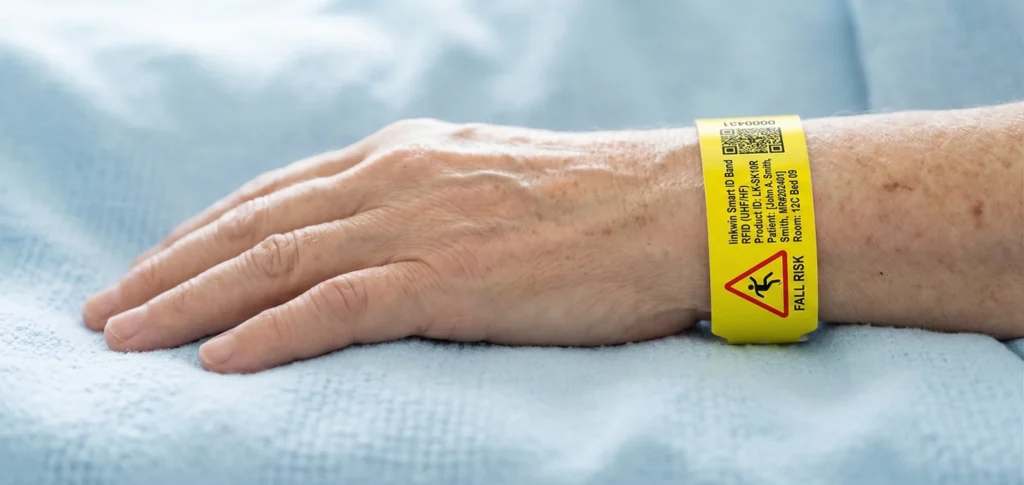
When it comes to patient safety wristbands in mental health facilities, standard ID bands simply don’t cut it. Behavioral health settings demand a delicate balance: accurate patient identification must coexist with rigorous safety protocols to prevent self-harm, ligature risks, and the creation of sharps. Facility managers and healthcare professionals need specialized, soft-material wristbands that are both tamper-evident and hypoallergenic—designed specifically to meet the unique challenges of psychiatric care. In this guide, you’ll discover how advanced thermal printing technology and ligature-resistant materials come together to enhance patient safety, streamline clinical workflows, and reduce operational risks. Let’s explore why choosing the right wristbands is crucial for protecting your patients while supporting your staff’s day-to-day efficiency.
Why Standard ID Bands Fail in Mental Health Settings
Standard patient ID bands often fall short in mental health environments due to serious safety and comfort concerns. The rigid hard plastics used in conventional bands pose a significant ligature risk, enabling patients to potentially self-harm or cause harm to others. Their stiffness can also be weaponized, increasing the danger within secure psychiatric units. Additionally, hard plastics are uncomfortable for patients with sensory sensitivities common in behavioral health populations, causing agitation and non-compliance. These materials frequently irritate the skin, worsening patient distress and undermining therapeutic rapport.
In sum, traditional wristbands lack the specialized design features necessary to manage the unique hazards and patient comfort requirements critical to mental health safety protocols.
Critical Features of Safety-First Mental Health Wristbands
Mental health wristbands must prioritize patient safety and comfort with specific key features:
| Feature | Description |
|---|---|
| Ultra-Soft & Flexible Materials | Made from soft, pliable materials to prevent skin irritation and avoid discomfort during long wear. |
| Tamper-Evident Adhesive Closures | Secure adhesive seals make it clear if the wristband has been removed or tampered with, ensuring patient integrity. |
| Ligature-Resistant Design | Designed to reduce the risk of self-harm by eliminating loops or hard edges that could be used for ligature purposes. |
| Hypoallergenic & Latex-Free | Manufactured without latex or harsh chemicals to reduce allergic reactions and support sensitive skin. |
These elements combine to create wristbands that meet the demanding safety protocols of mental health facilities while maintaining patient dignity and reliability. Prioritizing these features helps avoid common risks and improves day-to-day patient management.
The Role of Thermal Printing in Behavioral Health Safety
Thermal printing offers critical advantages for patient safety wristbands in mental health settings. It enables on-demand customization, allowing staff to print up-to-date patient information quickly without delays. This real-time capability reduces errors from outdated or illegible wristbands.
The durability of thermal-printed information is equally important. Unlike handwritten or low-quality printed bands, thermal printing resists smudging, fading, and moisture. This ensures that vital patient details remain clear throughout their stay, supporting accurate identification and risk management.
Additionally, thermal printing eliminates secondary risks associated with adhesive inks or labels that might cause skin irritation or wear off unexpectedly. Medical-grade thermal wristbands maintain integrity while avoiding allergic reactions or damage to sensitive skin common in behavioral health patients.
In , thermal printing enhances safety by providing durable, precise, and customizable patient ID solutions tailored to the unique demands of mental health facilities.
Implementing Standardized Color-Coding for Risk Mitigation
Standardized color-coding on patient safety wristbands is essential in mental health settings to streamline communication and reduce risk. Universal colors provide quick visual cues for staff to identify key patient conditions without delay. For example:
- Red for allergy alerts
- Yellow for fall risk
- Purple for Do Not Resuscitate (DNR) orders
Using these consistent, widely accepted colors across all facilities ensures that every caregiver understands what each wristband means immediately. Clear, uniform color codes help prevent errors, improve response times, and reinforce safety protocols. When all mental health facilities adopt the same color standards, staff can rely on instant recognition no matter where a patient is treated, enhancing overall patient safety and care quality.
Enhancing clinical workflow and data accuracy in mental health settings starts with integrating barcode technology into patient safety wristbands. Barcode integration enables quick, reliable scanning for medication administration and patient identification, minimizing human error and reducing the need for workarounds. This streamlines processes, making clinical tasks more efficient and less prone to mistakes. When wristbands sync seamlessly with Electronic Health Records (EHR), staff can instantly access up-to-date patient information, improving communication and decision-making. This EHR synergy supports accurate recordkeeping while cutting down manual input, enhancing overall patient safety and clinical reliability.
Best Practices for Staff Training and Patient Compliance
Effective patient safety wristbands rely on proper staff training and patient cooperation. Start with empathetic communication—staff must clearly explain the wristband’s purpose, addressing any patient concerns respectfully to encourage compliance. Establish regular inspection protocols to ensure wristbands remain secure, intact, and legible, reducing risks of misidentification or removal. Prioritize dignity in care by handling wristband checks discreetly and sensitively, preserving trust and comfort in mental health settings. Together, these practices support reliable patient safety identification while respecting individual needs.
