
Subtotal ¥0.00
Comprehensive guide to patient tracking systems in geriatric care institutions using thermal wristbands to enhance elderly care patient tracking
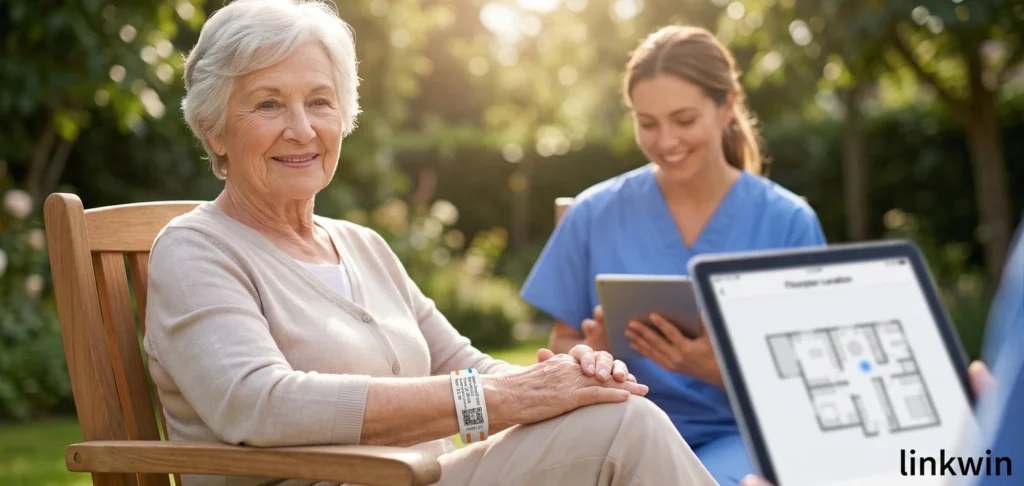
Why Geriatric Institutions Need Dedicated Patient Tracking
Geriatric care institutions require specialized patient tracking systems to effectively manage the unique risks faced by elderly residents. Wander management is critical to address elopement risks in Alzheimer’s and dementia patients, ensuring timely intervention and preventing harm. Optimizing fall response reduces the time residents spend on the floor after incidents, improving outcomes and minimizing injury complications. Implementing tracking solutions also supports workflow automation, eliminating reliance on manual check-ins and cumbersome paper logs, which reduces staff workload and enhances accuracy. Moreover, these systems are essential for maintaining regulatory compliance with HIPAA and local health standards, safeguarding patient privacy while ensuring transparent, accountable care practices. Dedicated patient tracking is not just a technology investment but a vital component of safer, more efficient geriatric care.
Core Components of an Effective Tracking Ecosystem
An efficient elderly care patient tracking system relies on three essential components working seamlessly together. First, the software layer enables centralized dashboards that provide real-time resident locations, mobile alerts for staff, and smooth integration with Electronic Health Records (EHR). This unified platform streamlines monitoring and response.
Next, the underlying infrastructure includes Bluetooth Low Energy (BLE), Wi-Fi, and infrared sensors that accurately detect movement and presence throughout the facility. These technologies ensure continuous data flow for reliable tracking without gaps.
Finally, the physical identifier is critical—durable thermal wristbands designed for geriatric residents offer high-quality barcode and QR code printing. These wristbands combine comfort with moisture and sanitizer resistance to maintain integrity during 24/7 care.
Combining advanced software, robust sensing infrastructure, and patient-friendly thermal wristbands forms the backbone of a trusted patient tracking system in geriatric care institutions.
The Critical Role of Thermal Wristbands in Patient Tracking
Thermal wristbands are vital in geriatric patient tracking because they combine reliability, comfort, and durability in one solution. Their high-resolution thermal printing produces clear, scannable barcodes and QR codes that maintain data integrity throughout every stage of patient care. This ensures accurate identification without the smudging or fading common in other printing methods.
Comfort and skin safety are equally important. Our wristbands use medical-grade, hypoallergenic materials specifically designed for the sensitive skin of elderly residents. This minimizes irritation and preserves skin integrity during long-term wear—critical in senior care settings.
Durability is built into every band. They resist moisture, frequent cleaning agents, and sanitizers, guaranteeing 24/7 usability even under rigorous hygiene protocols. This makes them perfect for the nonstop environment of geriatric institutions.
With LinkWin’s thermal wristbands, last-mile tracking accuracy is ensured by combining these physical qualities with smart printing technology. This balance of comfort, durability, and clear data capture makes thermal wristbands a cornerstone of any effective patient tracking system.
Key Features to Look for in a Geriatric Tracking System
When selecting a patient tracking system in geriatric care institutions, focus on these essential features:
| Feature | Description | Benefit |
|---|---|---|
| Geofencing Capabilities | Set virtual boundaries to mark safe and restricted zones | Prevent resident elopement and enhance safety |
| Predictive Analytics | Monitor movement patterns to spot health decline signs | Early detection enables timely intervention |
| Scalability | Support from small homes to large enterprise networks | Easily adapts as your facility grows |
| Interoperability | Seamless integration with nurse call and pharmacy systems | Streamlines workflows and improves care coordination |
These core features ensure a patient tracking system is effective, adaptive, and truly supports the complex needs of geriatric care environments.
Overcoming implementation challenges is critical for successful elderly care patient tracking. Staff adoption improves significantly when alert fatigue is minimized through customized notifications tailored to each team’s workflow. This keeps caregivers focused without overwhelming them with unnecessary alarms. Patient privacy remains a top concern; the system must balance effective surveillance with respect for residents’ dignity and ethical data use, ensuring compliance with HIPAA and local regulations. Evaluating cost versus value goes beyond initial expenses, focusing on ROI gained through reduced liability risks and better staff retention. Reliable tracking systems pay off by preventing costly incidents and supporting workforce stability in geriatric care institutions.
Future trends in geriatric monitoring point toward smarter, less intrusive patient tracking systems. AI-driven behavioral monitoring will analyze movement patterns to detect early signs of cognitive decline or agitation, enabling proactive care. Integrating vital signs tracking directly into ID wristbands will provide continuous health data without extra devices, simplifying real-time monitoring. The industry is also moving toward invisible technology, embedding sensors seamlessly into the living environment and wearables to respect residents’ dignity while enhancing safety. These advancements will transform patient tracking systems in geriatric care institutions, making elder care more precise, responsive, and unobtrusive.
FAQs on Patient Tracking Systems in Geriatric Care
Real-time location systems (RTLS) improve elderly safety by providing continuous tracking of residents, enabling quick response to falls or wandering incidents. This minimizes risks and enhances overall care quality.
Thermal wristbands are crucial because they combine durability, comfort, and high-resolution barcode or QR printing. Their medical-grade, hypoallergenic materials protect sensitive elderly skin, while their moisture and sanitizer resistance ensure reliable data capture in 24/7 care environments.
Ensuring HIPAA compliance involves secure data handling protocols, encrypted communication, and strict access controls within the tracking system. These safeguards protect patient privacy while supporting regulatory requirements in geriatric care institutions.
Common implementation challenges include staff alert fatigue, integration complexity, and initial costs. Customized notification settings reduce unnecessary alarms, phased rollouts simplify adoption, and evaluating ROI through risk reduction supports investment justification.
Modern patient tracking systems integrate smoothly with existing Electronic Health Records (EHR) platforms. This interoperability centralizes data, streamlines clinical workflows, and enhances decision-making by linking location insights with medical records.
